

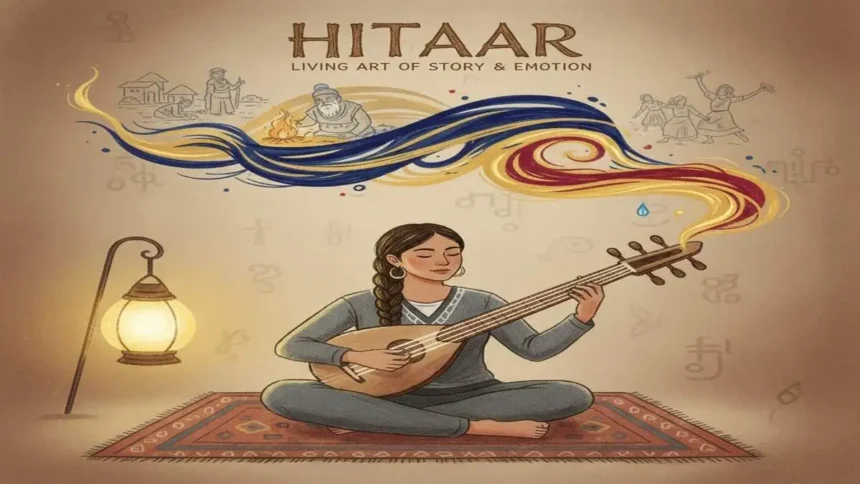
Hitaar is a community-oriented art form centered around a unique string instrument, also called a hitaar, used to convey stories and emotions through rhythmic and melodic expression. Combining structured techniques like specific fingerpicking patterns and rhythmic pauses with improvisational freedom allows diverse interpretations across cultures. Originating as a way to preserve community histories, values, and traditions, it emphasizes emotional depth, creating a living, dynamic art form that resonates deeply with both performers and audiences.
- The Origins of Hitaar: A Tradition Born From Community Memory
- The Hitaar Instrument: Structure, Sound, and Symbolism
- Hitaar as a Living Art: A Balance of Structure and Freedom
- Improvisational Freedom
- The Emotional Core of Hitaar
- Cultural Diversity: Many Voices, One Tradition
- Modern Evolution: Preserving Tradition in a Connected World
- Modern Relevance: Hitaar in Today’s World
- Why Hitaar Matters: My Reflection
- Final Thought
The Origins of Hitaar: A Tradition Born From Community Memory
Hitaar emerged as a communal art form designed to preserve oral history, values, and shared experiences. Early communities used instruments to accompany storytelling, turning narratives into immersive musical experiences. Through melodies, rhythms, and pauses, performers conveyed emotions and moral lessons, celebrating milestones, honoring ancestors, and recording local history. Over time, this practice evolved into a structured yet improvisational art form, allowing each community to infuse its unique cultural identity while maintaining the instrument’s role as a vessel of collective memory.
The Hitaar Instrument: Structure, Sound, and Symbolism
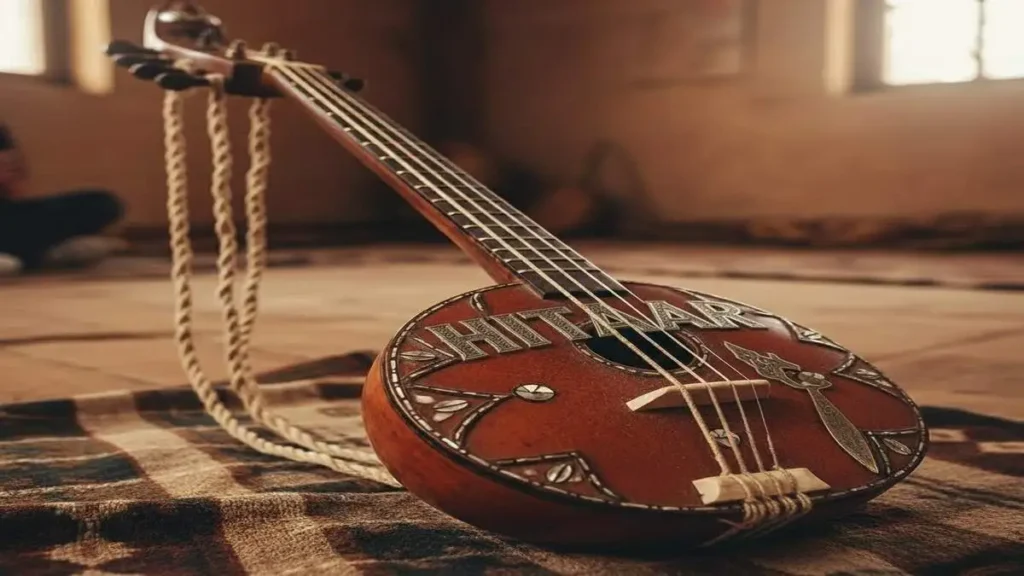
At the center of the tradition is the instrument itself. Although variations exist, it typically features:
- A wooden resonant body, crafted from locally sourced materials
- A set of tuned strings, usually between five and nine
- A long neck suited for sliding transitions and expressive vibrato
The instrument’s construction allows for a wide spectrum of emotional expression, from soft, introspective tones to bright, energetic rhythms. Many players describe it as an extension of the human voice, capable of replicating sighs, laughter, cries, whispers, and chants.
Hitaar as a Living Art: A Balance of Structure and Freedom
One of the defining attributes of hitaar is its blend of structured musicality and improvisational expression. This duality is what makes it a “living art.”
- Fingerpicking styles: Unique patterns define rhythm, pace, and emotional tone. Some involve rapid plucking for high-energy narratives; others use slow, steady picking to convey reflection or sorrow.
- Rhythmic pauses: Silence is treated as a musical element. Well-placed pauses heighten anticipation, emphasize transitions, and guide the listener’s emotional experience.
- Melodic progressions: Traditional sequences are associated with specific emotions, joy, grief, celebration, longing, healing, or remembrance.
These techniques ensure consistency across performances, allowing listeners from the same culture to immediately recognize the spirit of it.
Improvisational Freedom
While structure underlies the art, improvisation brings it to life. Every musician interprets the hitaar differently based on their mood, environment, and audience. This freedom allows:
- Spontaneous melodic variations
- Unique rhythmic interpretations
- Emotional adaptability
- Personal storytelling through music
No two performances are ever identical. This fluidity allows it to evolve across generations while maintaining its essence.
The Emotional Core of Hitaar
At its heart, hitaar is an art of emotion. Each melody, rhythm, and pause is crafted to evoke deep feelings, from joy and celebration to sorrow and reflection. The instrument’s expressive capabilities allow musicians to convey stories beyond words, while audiences experience profound emotional resonance. Through improvisation and nuanced performance, it transforms sound into shared feeling, creating an intimate connection between performer, listener, and community. Emotion is not just a part of that defines its very essence.
Cultural Diversity: Many Voices, One Tradition
One of the most remarkable aspects of hitaar is its cross-cultural adaptability. While the core philosophy remains consistent, each culture adds its own aesthetic identity.
- Different materials used in crafting the instrument
- Distinct tuning systems
- Unique storytelling traditions
- Varied rhythmic and melodic structures
This adaptability ensures that Hitaar thrives across generations and geographies.
Modern Evolution: Preserving Tradition in a Connected World
As global connectivity grows, Hitaar faces both challenges and opportunities.
Challenges
- Younger generations gravitating toward digital entertainment
- Loss of traditional craftsmanship
- Reduced platforms for community performances
Opportunities
- Online performances reaching international audiences
- Cross-cultural collaborations
- Modern compositions blending hitaar with contemporary genres
- Digital archiving preserving melodies and oral histories
Musicians and cultural organizations are increasingly working to safeguard this heritage through workshops, recordings, festivals, and academic documentation.
Modern Relevance: Hitaar in Today’s World
As the world becomes more digital and fast-paced, traditional art forms often struggle to maintain visibility. Yet Hitarar continues to thrive, largely because its emotional authenticity appeals strongly to modern audiences.
- Its role in cultural preservation
- Its emotional sincerity in an era of artificiality
- Its ability to unify communities during social or cultural gatherings
Some artists even blend it with modern instruments or digital soundscapes, creating innovative hybrids while keeping the essence intact.
Why Hitaar Matters: My Reflection
For me, hitaar is more than music; it is a bridge connecting past, present, and future. Each melody carries the weight of community stories, cultural values, and raw human emotion. Listening to a it performance, I feel the heartbeat of generations, their joys, struggles, and hopes. It reminds me that art is not only for entertainment but also for preserving identity and fostering connection. Its emotional depth and communal spirit make it a living legacy worth cherishing.
Final Thought
Hitaar is more than a musical tradition; it is a living testament to culture, emotion, and community. Through its melodies, stories of the past are preserved while allowing room for personal expression and improvisation. Its ability to connect listeners, evoke deep emotions, and celebrate shared heritage makes it timeless. In a world increasingly detached from tradition, it reminds us of the enduring power of music to unite, inspire, and keep cultural legacies alive.