


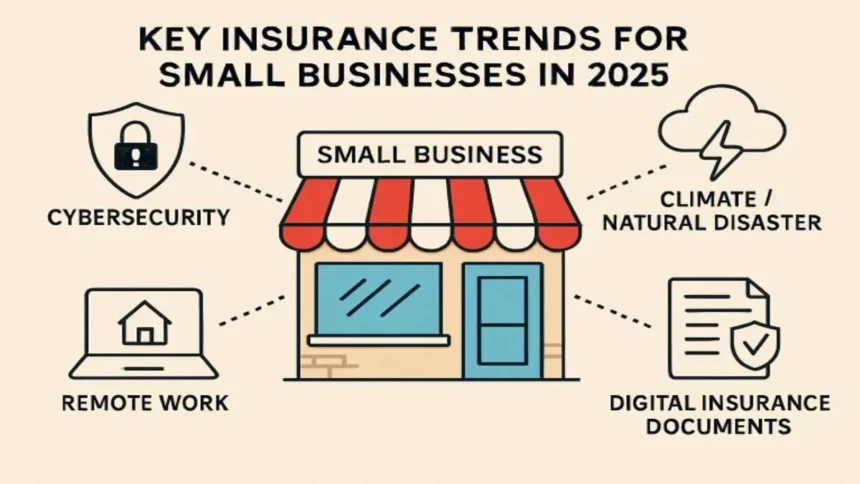
As the pace of change accelerates in today’s business environment, small business owners must navigate new risks while protecting their investments and employees. Staying up to date on the latest insurance trends is crucial for maintaining resilience and safeguarding against uncertainties. Whether you operate a startup or a growing company, having the right strategies and a reliable insurance policy for your business can make the difference between recovery and financial hardship. With evolving threats and shifting industry standards, understanding what’s ahead in 2026 ensures you’re making proactive and informed decisions.
- Rising Premiums and Coverage Gaps
- Cybersecurity Risks and Insurance
- Adoption of Parametric Insurance
- Integration of Technology in Underwriting and Claims
- Tailored Policies for Remote and Hybrid Workforces
- Embedded Insurance and On-Demand Coverage
- Climate Risk and Natural Disaster Coverage
- Employee Benefits and Health Insurance Costs
Rapid developments—ranging from rising insurance costs to the growing significance of digital protections—mean that business insurance is no longer what it was even a few years ago. Forward-looking small enterprises are increasingly tailoring their risk management approach to cope with these realities, leveraging innovation and a wide array of coverage solutions. In this context, the most astute business leaders are seeking expert advice, regularly reviewing policies, and adopting flexible plans to support their teams and operations in the face of ongoing transformation.
The impact of these trends isn’t limited to insurance professionals; it’s relevant for organizational leaders and employees as well. From cybersecurity protocols to climate risk planning, the 2026 insurance landscape requires small businesses to think both holistically and strategically about protection and growth. Reviewing annual trends can help you identify gaps, optimize coverage, and drive better business outcomes over time.
For a broader context on how these dynamics are influencing smaller organizations nationwide, see related insights from Forbes’ analysis of small business insurance shifts.
Rising Premiums and Coverage Gaps
Business owners are contending with significant premium increases—often between 18% and 25% year-over-year. This surge is making comprehensive insurance unaffordable, and 34% of small businesses now operate without vital coverage. Only two years ago, that figure was 21%, highlighting the worsening of affordability. Companies are forced to choose between incurring higher expenses and scaling back coverage, exposing themselves to serious risks. Key drivers include inflation, increased claims frequency, and the effects of climate-related disasters. For the latest on how premium hikes are affecting small businesses, consult reporting from Soma Insurance.
Cybersecurity Risks and Insurance
Cyber threats remain at the forefront of risk for small businesses. Over 43% of U.S. small and medium-sized companies have experienced an attack, yet adoption of cyber liability insurance lags behind its urgent need. Around 80% of business owners recognize the importance of cybersecurity, but few are fully prepared to manage incidents when they occur. As attacks grow more sophisticated, robust cyber insurance is becoming non-negotiable—offering not just financial protection but also risk assessment resources and breach response support. This is an area where investing early can prevent catastrophic losses down the line. For more information, see Insurance News Net.
Adoption of Parametric Insurance
The adoption of parametric insurance is accelerating. Unlike traditional policies, these pay out when specific triggers—such as a defined rainfall amount or an earthquake over a certain magnitude—are met, rather than compensating for actual loss amounts. This approach streamlines the claims process, providing small businesses with prompt financial support and greater clarity on their policies. As natural disasters and weather disruptions become more frequent, parametric solutions are beautiful for companies seeking straightforward and rapid recovery options.
Integration of Technology in Underwriting and Claims
Insurtech breakthroughs are transforming the entire insurance lifecycle. Artificial intelligence (AI) and machine learning now play a central role in underwriting, detecting fraud, adjusting claims, and optimizing pricing. The deployment of Internet of Things (IoT) sensors across inventory, property, and vehicles enables insurers to monitor conditions in real-time, personalize risk profiles, and prevent losses more proactively. For business owners, technology-enhanced processes mean faster settlements and improved transparency, translating into greater peace of mind.
Tailored Policies for Remote and Hybrid Workforces
The remote and hybrid work revolution has prompted insurers to design new policies that reflect today’s distributed work models. Coverage now extends to home office equipment and unique liabilities associated with remote work, such as cybersecurity and ergonomic incidents. Tailored policies also help employers ensure compliance with evolving labor and safety laws, while retaining and attracting remote talent through enhanced benefit offerings.
Embedded Insurance and On-Demand Coverage
Embedded insurance solutions—delivered directly within the platforms and tools small businesses use every day—are rapidly gaining popularity. Providing seamless coverage during digital transactions, these options eliminate traditional paperwork and expedite critical protection. Additionally, on-demand policies cater to a growing segment of gig workers, freelancers, and micro-businesses, offering insurance terms tailored to specific projects and timeframes for unprecedented flexibility.
Climate Risk and Natural Disaster Coverage
As natural disasters become increasingly severe and frequent, insurers are reassessing their risk models, particularly in vulnerable regions. Small businesses face not only rising premiums but also stricter eligibility for coverage. Many carriers require climate resilience strategies as part of the underwriting process. Parametric insurance is also emerging as a practical response, allowing for rapid payouts after an event, which is critical for recovery following floods, wildfires, or hurricanes.
Employee Benefits and Health Insurance Costs
Health coverage is another challenging arena for small businesses, whose employees often bear higher deductibles and premium contributions than their large-company peers. Despite rising costs, many workers receive plans with less comprehensive financial protection. To compete in a tight labor market, small businesses are researching alternative options and leveraging group buying power to improve benefits and manage expenditures. Understanding these dynamic trends enables small business owners to make more informed insurance choices, thereby protecting both their operations and employees. Staying informed, adapting coverage to fit modern realities, and consulting professional resources are essential strategies for thriving in uncertain times.