

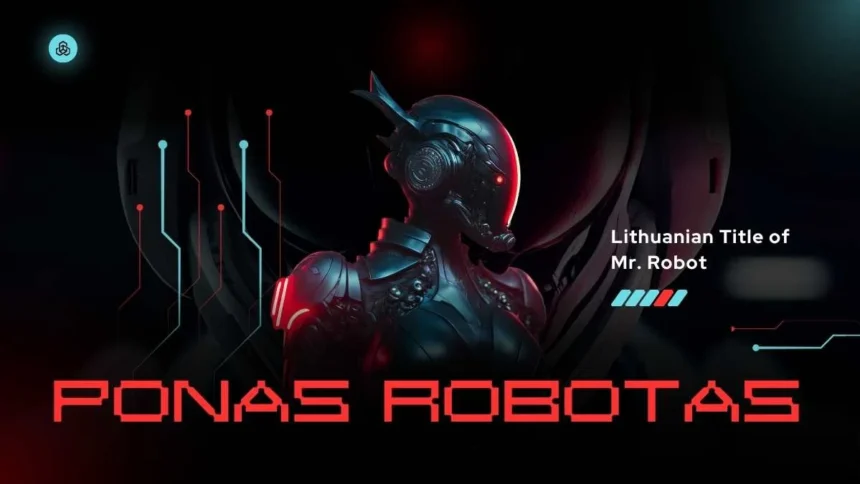
Ponas Robotas is the Lithuanian title for the acclaimed American television series Mr. Robot, a psychological technothriller drama that aired from 2015 to 2019. The series follows a cybersecurity engineer who becomes involved in a global hacking movement aimed at dismantling corporate power structures.
Ponas Robotas presents a layered story about technology, identity, mental health, and economic control. Created by Sam Esmail and starring Rami Malek, the show earned global recognition for its realism, cinematic storytelling, and deep social commentary. For Lithuanian audiences, the localized title connects a worldwide cultural phenomenon to regional viewers while preserving its original impact.
Series Background and Broadcast History
Ponas Robotas originally premiered on USA Network in June 2015 and concluded in December 2019 after four tightly written seasons. The story was carefully structured from the beginning, allowing the narrative to unfold with clarity and long term direction.
Unlike many mainstream thrillers, Ponas Robotas combined technical accuracy with emotional storytelling. The production team consulted cybersecurity professionals to ensure realistic depictions of hacking techniques such as social engineering, encryption exploitation, and penetration testing. This commitment to accuracy strengthened the show’s authority and built trust with both general viewers and tech professionals.
Storyline and Character Depth
Ponas Robotas centers on Elliot Alderson, a socially withdrawn cybersecurity engineer who secretly works as a hacker. Elliot struggles with anxiety, trauma, and dissociation, which shapes how viewers experience the narrative.

He is recruited by the mysterious Mr. Robot, portrayed by Christian Slater, to join a hacktivist group known as fsociety. Their mission is to erase global consumer debt by attacking a powerful financial corporation.
The series unfolds on two levels. On the surface, it is a cyber conspiracy thriller. Beneath that, it is an intimate psychological study of identity and perception. This layered storytelling distinguishes Ponas Robotas from conventional crime dramas and elevates it into a modern character driven epic.
Core Themes Explored in the Series
Digital Privacy and Cybersecurity
Ponas Robotas examines how vulnerable modern systems can be when corporations control massive amounts of user data. It presents hacking not as fantasy but as a methodical process grounded in real coding practices.
Corporate Power and Economic Inequality
The series questions centralized financial systems and the psychological influence of debt. It reflects global concerns about corporate dominance and economic imbalance.
Mental Health and Personal Identity
Through Elliot’s perspective, Ponas Robotas portrays dissociation and trauma with seriousness. The narrative style places viewers inside his thoughts, building empathy and realism.
Technical Realism and Industry Accuracy
Below is a simplified overview of how the show balances entertainment with realism:
| Element | How It Is Portrayed | Industry Accuracy Level |
| Hacking Methods | Real command line tools and scripts | High |
| Corporate Structures | Fictional yet realistic conglomerates | High |
| Psychological Depiction | Clinically informed character arcs | Moderate to High |
| Cyber Activism | Based on real hacktivist models | High |
This blend of accuracy and drama increases viewer trust and strengthens long term relevance.
Cinematic Style and Narrative Innovation
The storytelling approach includes direct audience address, unreliable narration, and unexpected structural shifts. These creative decisions transform a technology centered show into a deeply immersive experience.
The soundtrack further enhances suspense, blending electronic tones with minimalistic composition. Each production element works together to create a cohesive atmosphere that supports the psychological depth of the story.
Cultural Impact and Global Recognition
Ponas Robotas gained critical acclaim throughout its run. Rami Malek received major industry awards for his performance, and the series earned recognition for writing and direction. Its influence extended beyond entertainment into academic discussions about cybersecurity ethics and digital activism.
The show also sparked increased interest in ethical hacking careers and cybersecurity education programs. Universities and training institutes often reference the series when discussing modern cyber threats.
Production Highlights

Vision of the Creator
Sam Esmail maintained creative control throughout the series, ensuring consistency and narrative cohesion.
Performance Excellence
Rami Malek delivered a nuanced portrayal that balanced vulnerability and intensity.
Structured Four Season Arc
The planned four season format allowed the story to conclude with clarity rather than extending beyond its narrative strength.
Technical Consultation
Cybersecurity advisors contributed to maintaining realism across episodes.
Long Term Legacy
Ponas Robotas is more than a translated title. It represents how global storytelling crosses language boundaries while preserving artistic integrity. The series redefined the technothriller genre by merging emotional storytelling with credible technical detail.
Its disciplined narrative arc, combined with psychological authenticity, ensures that Ponas Robotas remains a reference point for future television creators exploring technology driven drama.
FAQs
Is Ponas Robotas suitable for viewers without technical knowledge?
Yes, the emotional storyline makes it accessible even without cybersecurity expertise.
Was the series filmed in Lithuania?
No, production primarily took place in the United States.
How many total episodes are in Ponas Robotas?
The series consists of 45 episodes across four seasons.
Conclusion
Ponas Robotas continues to hold cultural and artistic value years after its final episode. By blending cybersecurity realism with psychological depth, it achieved a rare balance between technical precision and emotional storytelling.
For Lithuanian audiences and global viewers alike, Ponas Robotas stands as a landmark television drama that challenged conventions and elevated the standards of modern technothrillers. Its themes of identity, privacy, and systemic power remain meaningful in today’s digital society.