


Serlig is a Norwegian word that means special, particular, or notably. In modern Norwegian spelling, it appears as særlig, and it is widely used in both Norwegian and Faroese language contexts. The word can describe something unique or highlight something specific in a sentence.
Serlig is also commonly used in negative expressions to mean not particularly, such as in the phrase ikke særlig fin, which translates to not particularly nice. Because of its flexibility, this word plays an important role in everyday conversation, academic writing, and professional communication across Scandinavia.
What Does Serlig Mean in Daily Language?
In the modern Norwegian language, the correct spelling is særlig. However, serlig is often written informally when special characters are unavailable on keyboards. Both forms point to the same meaning and usage.
At its core, it expresses distinction. It can highlight something important, emphasize a detail, or soften a statement. The meaning changes slightly depending on whether it is used in a positive or negative sentence.
In the Faroese language, a similar word carries nearly the same meaning. This shared vocabulary reflects the historical and cultural ties between Norway and the Faroe Islands.
Semantic variations and related expressions include:
- særlig betydning meaning special importance
- særlig relevant meaning particularly relevant
- ikke særlig meaning not particularly
- spesielt meaning especially
These related terms help learners understand how serlig fits naturally into broader Scandinavian vocabulary.
How Serlig Functions in Grammar
As an Adjective
When used as an adjective, it describes a noun. It highlights uniqueness or importance.
Examples include en særlig anledning meaning a special occasion and en særlig grunn meaning a particular reason. In these cases, the word adds value and distinction to the subject being described.
As an Adverb
It also works as an adverb. It can modify verbs or adjectives to express emphasis.
For example, hun liker særlig godt musikk means she especially likes music. Another example is han er særlig dyktig, meaning he is notably skilled. The word strengthens the statement without sounding exaggerated.
In Negative Sentences
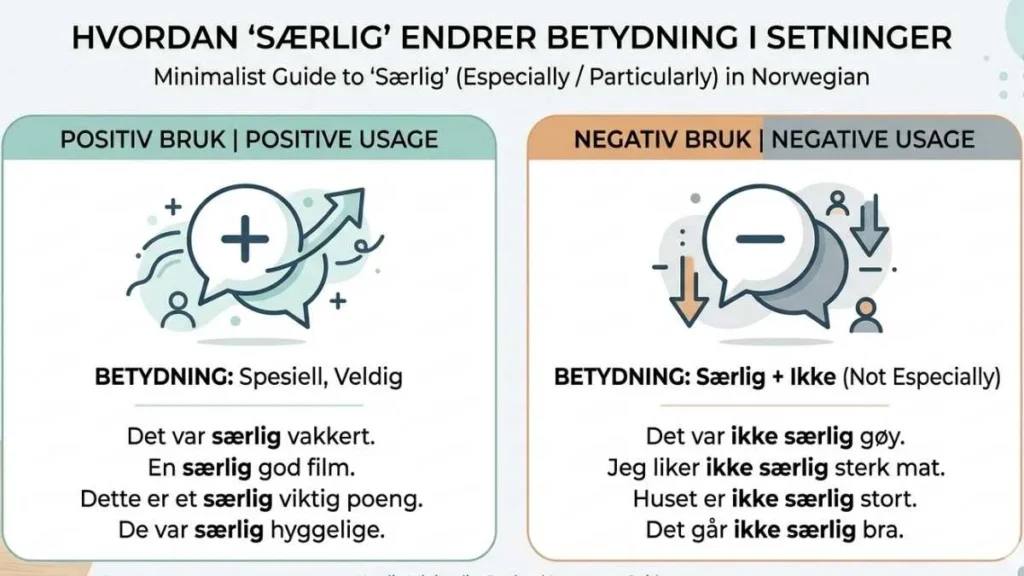
One of the most interesting uses of serlig appears in negative constructions. When paired with ikke, it softens criticism.
Phrases such as det var ikke særlig bra mean it was not particularly good. This style reflects a communication pattern common in Nordic cultures, where direct criticism is often avoided in favor of balanced language.
Cultural Meaning Behind the Word
Language reflects values. In Scandinavian communication styles, moderation and balance are often preferred over dramatic expression. Serlig allows speakers to express opinions calmly and respectfully.
Instead of saying something is bad, a person might say it is not particularly good. This subtle shift changes the emotional tone of the message. It reduces tension while still conveying honest feedback.
Comparison With English Equivalents
| Norwegian Term | English Equivalent | Usage Context |
| særlig | special | Unique importance |
| særlig | particular | Specific detail |
| særlig | especially | Strong emphasis |
| ikke særlig | not particularly | Softened criticism |
Practical Examples in Real Situations
In daily conversation, it appears naturally. Someone might ask er det noe særlig, meaning is it anything special. The response could be ikke noe særlig, meaning nothing special.
In professional communication, the word becomes even more precise. A report might state at dette er særlig viktig, which means that this is especially important. In academic writing, one could say denne teorien er særlig relevant for moderne lingvistikk, meaning this theory is particularly relevant for modern linguistics.
Linguistic Background and Evolution
The roots of serlig trace back to Old Norse. Historically, related forms carried the meaning of something set apart or separated. Over time, that idea evolved into the concept of something being distinct or notable.
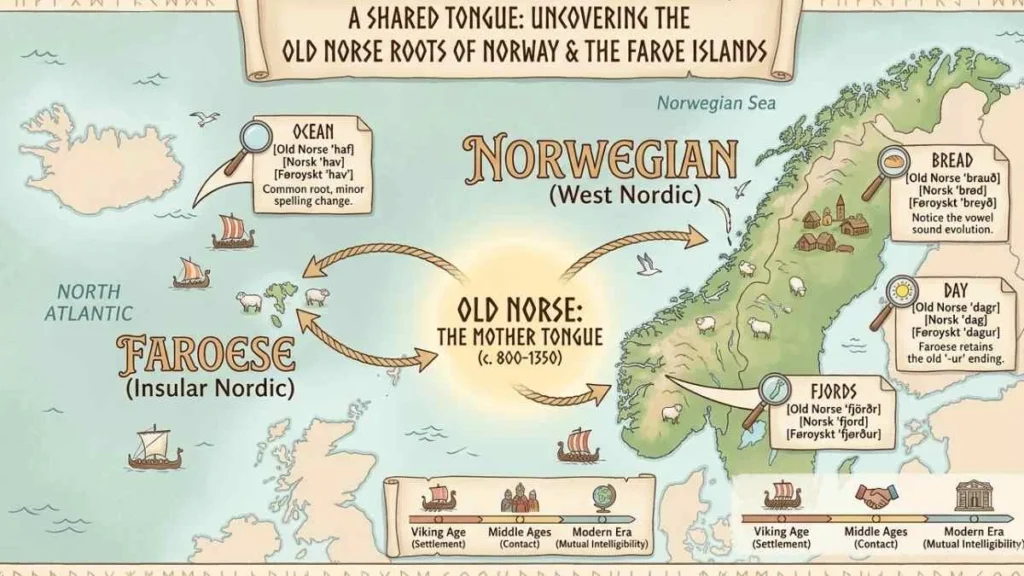
This linguistic development is consistent with patterns seen across Germanic languages. Words that once meant separate gradually developed meanings related to importance or emphasis.
Why Serlig Matters for Language Learners
For students, translators, and professionals working with Scandinavian languages, mastering serlig is essential. It appears frequently in media, literature, academic texts, and everyday dialogue.
Understanding how it shifts meaning depending on context prevents translation errors. A single negative word can completely change the tone of a sentence. For example, dette er særlig interessant means this is especially interesting, while dette er ikke særlig interessant means it is not particularly interesting. Such subtle differences can influence interpretation in business communication, diplomacy, and education.
Key Usage Insights for Clarity
- Always consider whether the sentence is positive or negative
- Notice whether the word modifies a noun or a verb
- Remember that tone is often softer than direct English equivalents
These simple guidelines make learning and using serlig much easier.
FAQs
Is serlig the correct spelling in official Norwegian writing?
The standard spelling is særlig, while serlig is informal.
Can serlig be used in formal academic writing?
Yes, particularly in its correct form særlig.
Does serlig always mean something positive?
No, it can soften negative statements when used with ikke.
Conclusion
Serlig is more than a vocabulary word. It represents a linguistic bridge between meaning and moderation. In Norwegian and Faroese usage, it conveys special importance, particular focus, or notable emphasis while maintaining balance in communication.
For learners and professionals alike, understanding serlig improves translation accuracy and cultural awareness. By mastering its grammar, context, and tone, speakers gain deeper insight into Scandinavian expression and communication style.