



Kalibraatio is the process of configuring and verifying a measuring instrument so that its readings match a known and trusted standard. In simple terms, kalibraatio ensures that measuring tools produce accurate and reliable results. This process is essential in many industries because even small measurement errors can affect product quality, safety, and decision-making. When instruments drift from their original accuracy due to use or environmental conditions, calibration helps restore correct measurement values.
- Understanding the Concept of Kalibraatio
- Why Accurate Measurement Matters in Modern Industries
- The Kalibraatio Process Explained
- Common Types of Industrial Calibration
- Calibration Standards and Global Traceability
- Factors That Influence Measurement Accuracy
- Determining Calibration Frequency
- Building a Reliable Calibration Management System
- FAQs
- Conclusion
Kalibraatio also plays a key role in maintaining consistency across measurement systems. By comparing devices with certified reference standards, organizations can confirm that their instruments are working correctly. This measurement verification process supports quality control, improves safety, and ensures compliance with global technical standards in sectors like manufacturing, healthcare, electronics, and environmental monitoring.
Understanding the Concept of Kalibraatio
Kalibraatio refers to the process of comparing the readings of a measuring device with a known reference value to confirm accuracy. When the instrument reading differs from the standard, adjustments are made so the device produces correct results.
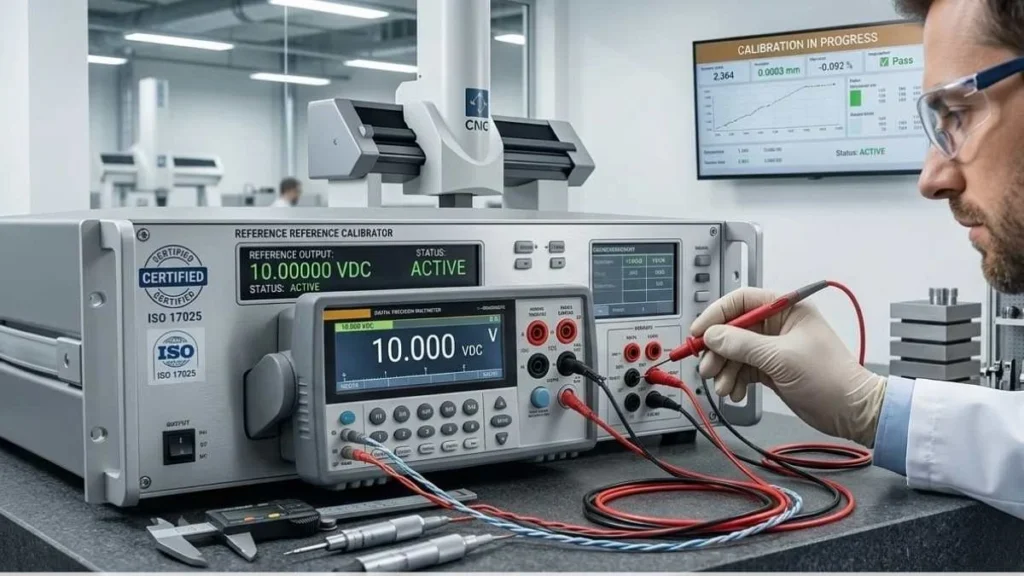
This procedure ensures that instruments used in laboratories, factories, or hospitals maintain reliable measurement performance. Over time, devices may experience measurement drift because of repeated use, aging components, or environmental factors.
Why Accurate Measurement Matters in Modern Industries
Key Benefits of Accurate Instrument Calibration
• Improves measurement accuracy and consistency across equipment
• Reduces manufacturing defects and production waste
• Supports regulatory compliance and quality audits
• Protects equipment reliability and operational safety
By maintaining accurate instruments, companies can make confident decisions based on trustworthy data.
The Kalibraatio Process Explained
The kalibraatio procedure usually follows a structured and controlled process. Each step ensures that measurement tools meet accepted performance standards.
- The first stage involves preparing the instrument for testing. Technicians inspect the device, clean it if necessary, and confirm that it operates correctly before calibration begins.
- Next, the instrument readings are compared with a certified reference standard. This reference device has known accuracy that can be traced to internationally recognized measurement systems.
- After the comparison stage, technicians analyze the measurement differences between the instrument and the reference standard. If deviations exceed acceptable tolerance limits, adjustments are made to correct the instrument.
- Finally, calibration results are recorded in official documentation. This record confirms the device accuracy and includes the calibration date, measurement results, uncertainty values, and the recommended next calibration schedule.
Common Types of Industrial Calibration
Different industries rely on various calibration methods depending on the instruments used. Each method focuses on specific measurement parameters such as electrical values, temperature, or mechanical force.
Electrical Instrument Calibration
Electrical calibration ensures the accuracy of devices that measure voltage, current, resistance, or frequency. These instruments are widely used in electronics manufacturing, engineering laboratories, and maintenance departments.
Mechanical Measurement Calibration
Mechanical calibration focuses on devices that measure physical properties such as pressure, torque, weight, and force. These tools are critical in mechanical engineering, heavy manufacturing, and industrial testing.
Dimensional Measurement Calibration
Dimensional calibration verifies the accuracy of tools that measure length, thickness, or distance. Precision tools such as micrometers and digital calipers require regular calibration to maintain correct measurements.
Temperature and Thermal Calibration
Temperature measuring devices such as sensors and thermometers must be calibrated regularly. Accurate temperature readings are essential in medical laboratories, food processing, and pharmaceutical production.
Calibration Standards and Global Traceability
Global measurement organizations establish reference standards that calibration laboratories use to verify instrument accuracy. These standards ensure that measurements remain consistent across different industries and countries.
Traceable calibration improves scientific reliability and enables organizations to compare measurement results with confidence. Without traceability, measurement systems could produce inconsistent data that cannot be verified or trusted.
Factors That Influence Measurement Accuracy
| Factor | Impact on Instruments |
| Temperature changes | May alter sensor behavior and measurement output |
| Humidity levels | Can affect electronic components and sensors |
| Mechanical wear | Gradual deterioration may shift instrument readings |
| Frequent usage | Heavy usage may accelerate measurement drift |
| Storage conditions | Improper storage can damage sensitive components |
Determining Calibration Frequency
Some devices require frequent verification because they operate in demanding industrial environments. Others may remain stable for longer periods and require less frequent calibration checks.
Manufacturers often provide recommended calibration intervals. Companies also analyze historical instrument performance to determine the most effective schedule. A well-planned calibration schedule ensures reliable measurement accuracy while avoiding unnecessary downtime.
Building a Reliable Calibration Management System
A good calibration management system includes trained personnel, certified reference equipment, and proper documentation procedures. These elements work together to maintain measurement consistency across operations.
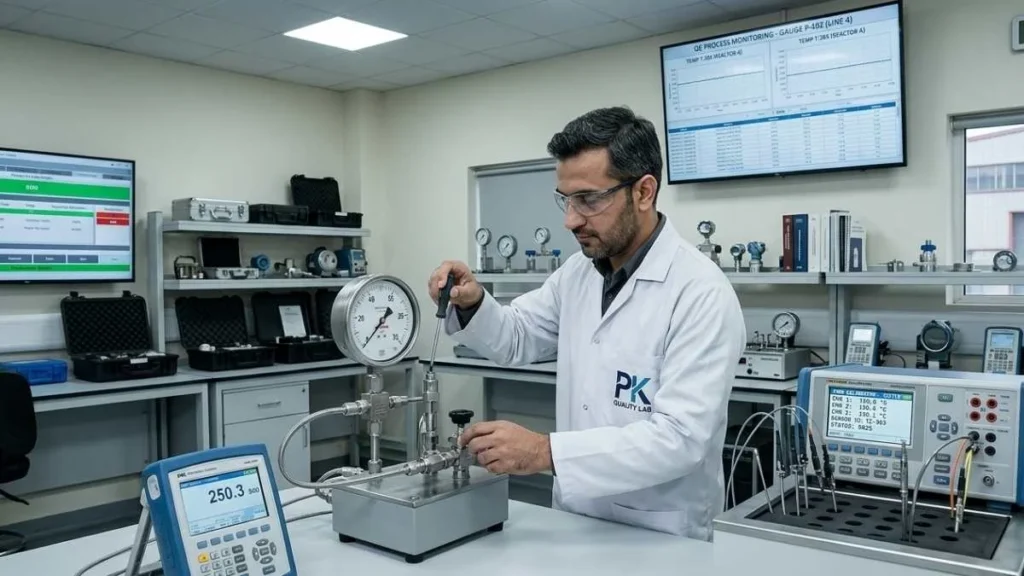
Digital calibration management software is becoming increasingly common. These systems help track calibration schedules, record instrument history, and generate compliance reports for audits.
FAQs
1. Can digital sensors require calibration even if they are new?
Yes, new sensors can still require calibration to confirm they match reference standards.
2. Is calibration necessary for handheld measuring devices?
Yes, handheld tools like thermometers or pressure gauges also require periodic calibration.
3. Does calibration always require adjusting the instrument?
No, sometimes calibration only verifies accuracy without needing adjustments.
Conclusion
Kalibraatio plays a critical role in ensuring that measuring instruments provide accurate and dependable results. By comparing instruments with trusted reference standards and correcting deviations, calibration supports reliable measurement systems across industries.
Organizations that implement strong calibration practices benefit from improved product quality, better operational safety, and enhanced regulatory compliance. As technology continues to advance and industries demand greater precision, the importance of kalibraatio will continue to grow in scientific, industrial, and healthcare environments.