


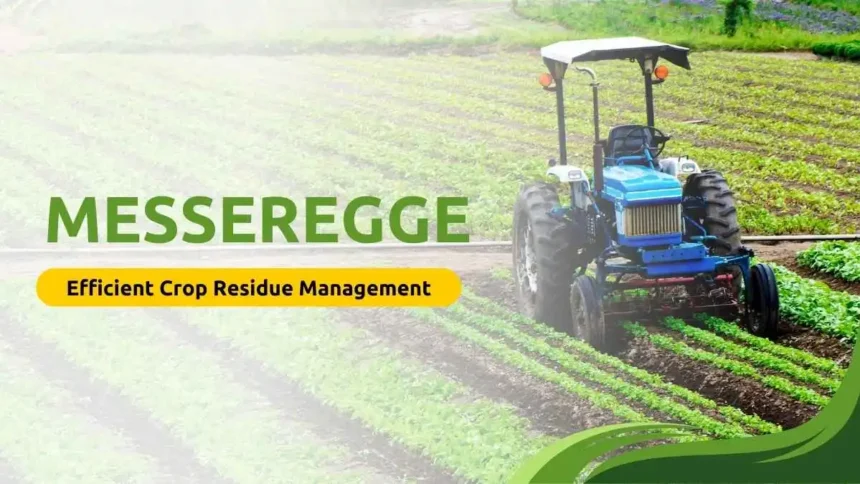
A Messeregge is a specialized agricultural implement designed for shallow tillage and efficient residue management. Equipped with multiple narrow, blade-shaped steel knives mounted on a rigid or semi-flexible frame, it operates at depths of 2 to 6 centimeters. Unlike traditional plows, it lightly disturbs the soil surface without inverting layers, preserving soil structure and fertility. The Messeregge effectively cuts and distributes crop residues, improves seedbed preparation, and supports sustainable farming practices by maintaining moisture, reducing erosion, and promoting soil health.
- Historical Context and Evolution
- How the Messeregge Works
- Key Components and Design Features
- Role in Conservation and Regenerative Agriculture
- Comparison with Other Tillage Implements
- Agronomic Benefits of Using a Messeregge
- Applications in Modern Farming Systems
- Operational Best Practices
- Economic Considerations
- Environmental Impact
- Limitations and Practical Challenges
- FAQs
- Final Thoughts
Historical Context and Evolution
The Messeregge developed as agriculture shifted from intensive plowing toward conservation-focused practices. Traditional deep tillage methods often disrupted soil structure and accelerated erosion. In regions such as Germany and Austria, farmers began adopting shallow tillage tools to preserve soil health. Over time, improvements in blade design and frame technology refined the it into an efficient implement supporting modern reduced-tillage and sustainable farming systems.
How the Messeregge Works
The operating principle of a Messeregge is straightforward yet highly effective. As the implement moves across the field:
- The narrow blades penetrate the topsoil at a shallow depth.
- Crop residues such as straw, stubble, or cover crop remains are sliced into smaller fragments.
- The soil surface is lightly disturbed, improving aeration without overturning layers.
Because it avoids soil inversion, the Messeregge supports conservation tillage practices and helps maintain beneficial microbial activity in lower soil horizons.
Key Components and Design Features
1. Knife Blades
Manufactured from hardened steel, these blades are designed for durability and sharpness. Their narrow profile minimizes soil compaction while maximizing cutting efficiency.
2. Frame Construction
The frame may be rigid or semi-flexible, allowing adaptation to uneven terrain. Heavy-duty frames enhance stability, particularly in high-residue fields.
3. Depth Control Mechanism
Adjustable wheels or hydraulic systems allow precise depth regulation between 2 and 6 cm, ensuring consistent soil disturbance.
4. Mounting System
Most models are tractor-mounted, using either three-point linkage systems or trailing configurations.
Role in Conservation and Regenerative Agriculture
Conservation agriculture emphasizes three core principles:
- Minimal soil disturbance
- Permanent soil cover
- Crop rotation
It directly supports the first two principles. By avoiding soil inversion and maintaining residue cover, it contributes to long-term soil health, carbon sequestration, and biodiversity enhancement. In regenerative systems, shallow slicing encourages biological activity in the upper soil layers without destroying deeper fungal networks critical for nutrient exchange.
Comparison with Other Tillage Implements
| Feature | Messeregge | Moldboard Plow |
| Soil inversion | No | Yes |
| Depth | 2 to 6 cm | 15 to 30 cm |
| Residue preservation | High | Low |
| Fuel consumption | Lower | Higher |
| Soil structure impact | Minimal | Significant |
Agronomic Benefits of Using a Messeregge
- Preserves soil structure by avoiding deep inversion and maintaining natural soil layers
- Improves moisture retention through minimal disturbance and surface residue cover
- Reduces soil erosion caused by wind and water
- Enhances soil microbial activity and earthworm populations
Applications in Modern Farming Systems
Post-Harvest Residue Management
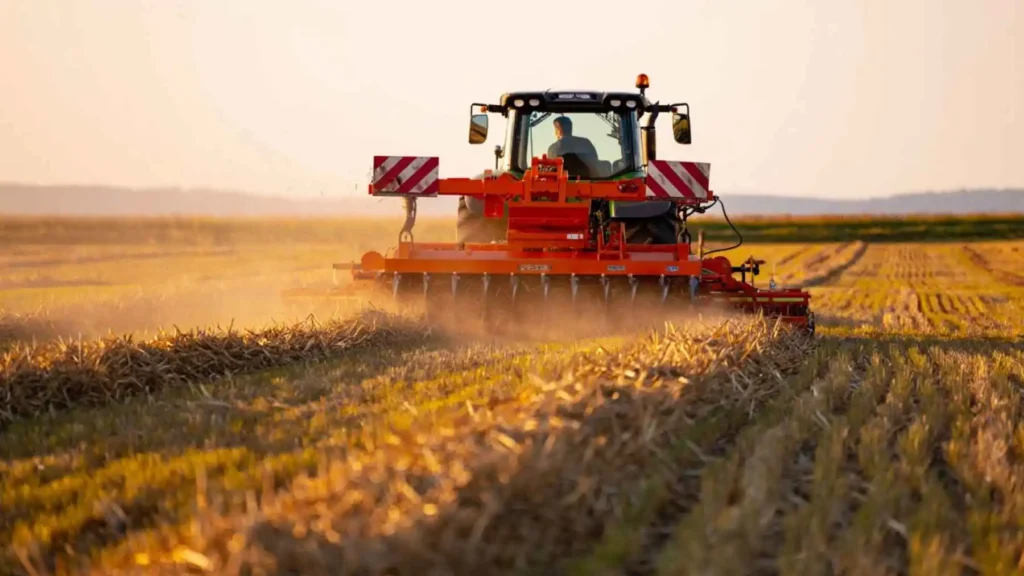
After grain harvest, large amounts of straw or stubble remain. The Messeregge cuts and spreads these residues evenly, preparing fields for the next planting cycle.
Cover Crop Termination
Farmers practicing cover cropping can use the implement to manage biomass without deep tillage.
Weed Control
Shallow cutting disrupts early-stage weeds, reducing reliance on chemical herbicides.
Seedbed Preparation
In reduced-tillage systems, it creates a fine, level surface ideal for direct seeding.
Operational Best Practices
To maximize efficiency and longevity, operators should consider:
- Correct Depth Setting: Staying within the recommended 2 to 6 cm range ensures optimal performance.
- Blade Maintenance: Regular inspection and sharpening prevent uneven cutting.
- Appropriate Speed: Operating at recommended speeds ensures uniform slicing.
Proper calibration ensures consistent results across varying soil types and residue loads.
Economic Considerations
Farmers evaluating the adoption of a Messeregge should consider:
- Initial equipment investment
- Long-term fuel savings
- Reduced labor costs
- Lower wear on tractors due to shallow operation
Although the upfront cost may be significant, long-term operational savings and soil health benefits can justify the investment.
Environmental Impact
Sustainable farming practices increasingly prioritize environmental stewardship. The Messeregge contributes to:
- Lower carbon emissions due to reduced fuel consumption
- Improved soil carbon sequestration
- Enhanced biodiversity within soil ecosystems
Shallow tillage also minimizes disruption of soil microbial networks, promoting ecological balance.
Limitations and Practical Challenges
Despite its benefits, the Messeregge has limitations:
- Not effective for deep compaction removal
- Limited performance in heavy clay soils under wet conditions
- Requires careful calibration for optimal results
Farmers must assess field conditions and agronomic goals before integrating it into their machinery lineup.
FAQs
1. Can it control weeds effectively?
It helps manage surface-germinating weeds by cutting young growth, but it may not control deep-rooted weeds.
2. Does it reduce fuel consumption?
Yes, because it operates at shallow depths, it generally requires less tractor power and fuel compared to deep tillage equipment.
3. Is the Messeregge effective in heavy soils?
It performs best in moderately moist soils. In heavy clay or waterlogged conditions, efficiency may decrease.
Final Thoughts
The Messeregge stands out as a practical solution for farmers seeking efficient surface tillage without compromising soil integrity. Its shallow working depth, residue management capability, and compatibility with conservation systems make it a valuable asset in modern agriculture. When used correctly, it enhances soil structure, supports moisture retention, and promotes long-term productivity. Integrating it thoughtfully into farming operations can significantly improve both sustainability and operational efficiency.