

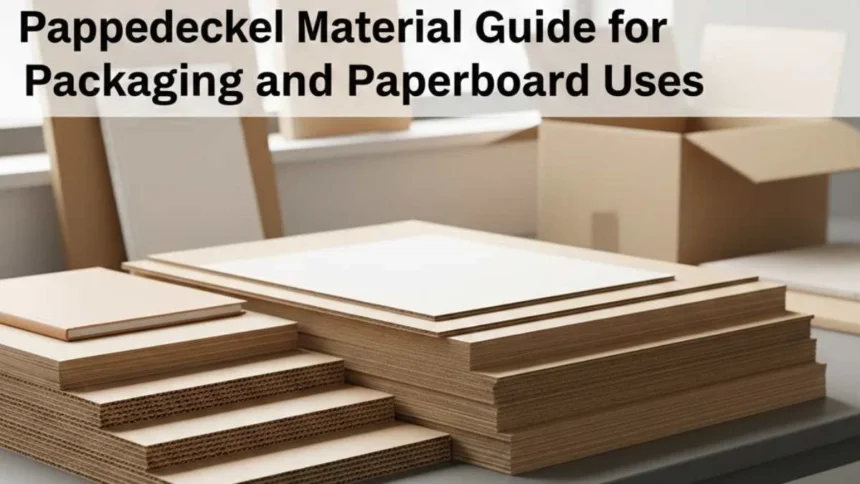
Pappedeckel is a German term used to describe thick cardboard or stiff paperboard made from compressed paper fibers. It refers to a solid, durable, and non-corrugated material commonly used where strength and rigidity are required. Unlike standard paper or lightweight cardboard, this material is known for its firmness and ability to hold shape, making it suitable for covers, protective layers, and structured packaging solutions.
In practical use, Pappedeckel appears across industries such as publishing, packaging, office supplies, and product presentation. Its balance of durability, low weight, and eco-friendly composition has helped it remain relevant in both traditional manufacturing and modern sustainable design. Understanding its structure, properties, and applications provides valuable insight into why it continues to be widely used across European and global markets.
Meaning and Practical Definition
Pappedeckel originates from the German words Pappe, meaning cardboard, and Deckel, meaning cover or lid. Together, the term conveys a strong paper-based board often used as a protective or structural covering.
In everyday and industrial language, it typically refers to solid paperboard that is thicker than carton board but lighter than wood-based panels. The term is not limited to a single thickness or grade and is instead defined by function and rigidity.
Material Composition
Pappedeckel is primarily produced using recycled paper fibers, virgin pulp, or a blend of both. The choice of fiber source affects strength, surface quality, and environmental impact.
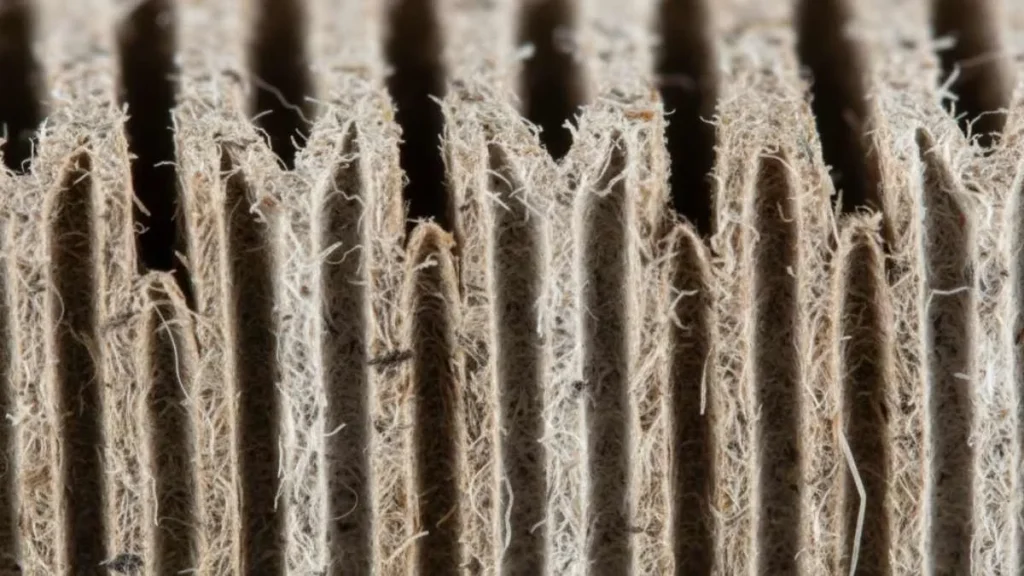
Recycled fibers support sustainability goals, while virgin pulp is often used for premium applications requiring cleaner surfaces and higher consistency.
Physical and Functional Properties
Strength and Stability
One of the key advantages of this paperboard material is its resistance to bending and warping. The tightly compressed fibers create a stable structure that performs well under moderate pressure.
Thickness and Density Range
Pappedeckel is available in multiple thickness options, allowing manufacturers to select the appropriate grade for each use. Higher-density boards are used in premium or load-bearing applications.
Weight Efficiency
Despite its strength, the material remains lightweight. This makes it cost-effective for transport and easy to handle during production.
Surface Performance
Its smooth surface supports printing, embossing, laminating, and wrapping. This makes it ideal for branded and decorative applications.
Key Applications Across Industries
Packaging and Product Protection
In packaging, Pappedeckel is used where structure and presentation matter. Common uses include:
- Rigid product boxes
- Protective inserts for fragile goods
- Flat packaging components
It helps protect items during storage and shipping while maintaining a clean appearance.
Bookbinding and Publishing
The publishing industry relies heavily on this material for:
- Hardcover book boards
- Notebook covers
- Archival document storage
Its rigidity ensures long-term shape retention and durability.
Coasters and Beverage Accessories
The absorbent and firm nature of the board makes it suitable for drink coasters. It protects surfaces from moisture and heat while remaining inexpensive and recyclable.
Office and Stationery Products
Many office products depend on their durability, including:
- File folders
- Ring binders
- Storage boxes
These items benefit from their professional look and long service life.
Comparison with Similar Materials
| Material Type | Rigidity | Sustainability | Typical Use |
| Pappedeckel | High | High | Covers, rigid packaging |
| Corrugated cardboard | Medium | High | Shipping cartons |
| Plastic sheets | High | Low | Water-resistant packaging |
| MDF board | Very high | Medium | Furniture components |
Role in Sustainable Manufacturing
Pappedeckel plays an important role in sustainable manufacturing due to its high recyclability and lower environmental impact compared to plastic or wood-based alternatives. Most variants are produced using recycled paper fibers and can be recycled again after use, supporting circular economy practices and waste reduction goals. The production process typically requires less energy and generates fewer emissions, which helps reduce overall carbon impact. As businesses respond to stricter environmental regulations and rising consumer demand for eco-conscious packaging, this thick paperboard has become a preferred material, particularly in European markets where sustainability standards are well established.
Quality Grades and Market Variations
Not all boards are identical. Quality varies based on:
- Fiber composition
- Thickness consistency
- Surface finishing
Premium grades are used for books and luxury packaging, while standard grades serve functional purposes.
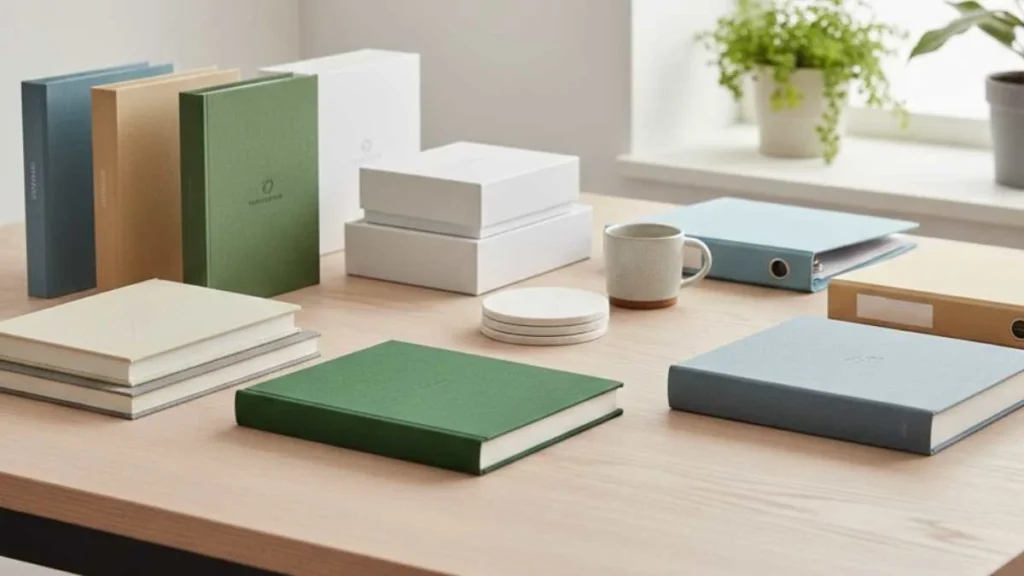
Manufacturers select grades based on cost, performance, and visual requirements.
Economic and Industry Relevance
The material plays an important role in the paperboard and packaging sectors. Its affordability and adaptability make it suitable for both small-scale production and large manufacturing operations.
With rising demand for sustainable materials, its market relevance continues to grow across publishing, retail, and logistics industries.
FAQs
Is Pappedeckel suitable for laser cutting projects?
Yes, many grades work well with laser cutting when the thickness is properly selected.
Can it be used for food-related packaging?
It can be used with appropriate food-safe coatings or liners.
Does humidity affect its performance?
Extended exposure to moisture can reduce stiffness without protective treatment.
Conclusion
Pappedeckel remains a practical and dependable paperboard material valued for its strength, versatility, and environmental benefits. Its ability to balance durability with sustainability has allowed it to maintain importance across traditional and modern industries.
From packaging and publishing to office supplies and creative design, it offers a reliable solution where rigidity and responsible material choice matter. As sustainability standards rise, this thick paperboard continues to prove that simple materials can deliver lasting value.