


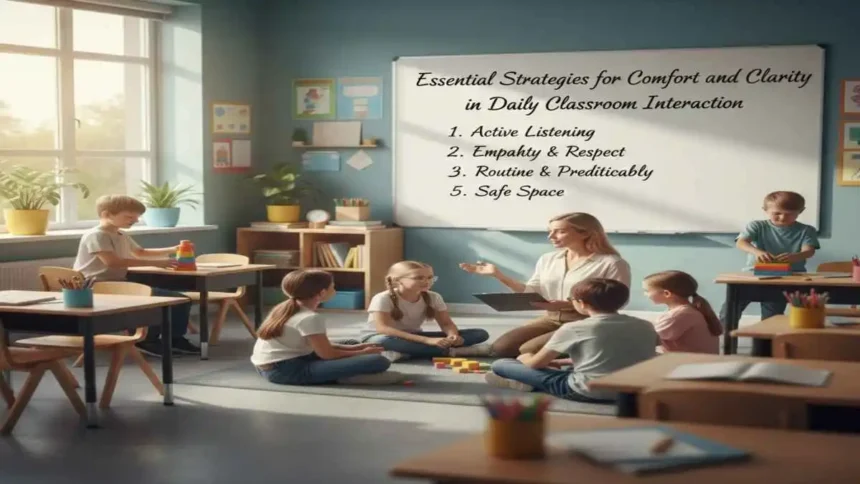
Teaching is often described as a performance art, but unlike a stage actor who performs for two hours, a teacher is “on stage” for six to seven hours a day, five days a week. This demands an incredible amount of physical stamina and mental acuity. For educators, the ability to communicate concepts effectively is the primary tool of the trade. However, communication isn’t just about the curriculum; it is about the comfort and clarity with which daily interactions occur. When a teacher feels physically comfortable and can communicate with precision, the classroom environment transforms into a space of safety and active engagement.
Creating a classroom culture that prioritizes clear communication and physical well-being benefits both the educator and the student. It reduces cognitive load, minimizes misunderstandings, and fosters a rapport that is essential for academic success. Here are several key areas to focus on to improve comfort and clarity in your daily classroom interactions.
Optimizing Classroom Acoustics and Layout
The physical environment plays a massive role in how clearly a message is received. If a student has to strain to hear instructions, their brain is using valuable energy on processing sound rather than processing the concept being taught. Poor acoustics can also force teachers to strain their voices, leading to fatigue and reduced patience.
To improve clarity, consider the layout of the room. Arrange desks in a way that directs attention to the speaker without creating physical barriers. Soften the room where possible; rugs, curtains, or even cork-board walls can help absorb excess noise, reducing the “echo chamber” effect that makes classrooms loud and chaotic. When students can hear clearly without obstacles, they are more likely to stay on task, and the teacher can speak at a conversational volume, preserving their energy.
Prioritizing Vocal Health and Speech Clarity
The teacher’s voice is their most valuable instrument. Chronic vocal strain is a common occupational hazard that can derail a school year. Clarity of speech is not just about volume; it is about enunciation, pacing, and tone. When a teacher speaks with a strained, hoarse voice, it can unintentionally convey stress or frustration to the class.
Maintaining vocal health requires hydration and proper breathing techniques, but it also requires confidence in one’s physical ability to speak. Issues with oral health, for instance, can surprisingly impact how an educator projects their voice. If a teacher is self-conscious about their smile or struggling with dental discomfort, they may subconsciously mutter or hide their mouth, which muffles sound and hinders non-verbal connection.
Ensuring that one’s dental health is taken care of is crucial for maintaining that professional confidence. Whether it involves routine cleaning or more complex restorative needs similar to how patients might seek dental implants in Lufkin, TX to restore full speech function addressing these physical factors ensures that an educator can enunciate clearly and project their voice without hesitation or pain.
Implementing Non-Verbal Cues
Clarity does not always require words. In fact, over-explaining can sometimes lead to confusion. Seasoned educators know that non-verbal communication is a powerful tool for maintaining comfort and flow in the classroom. This involves the strategic use of body language, hand signals, and proximity.
Developing a set of standard hand signals for common requests such as needing a pencil, a bathroom break, or asking a question can drastically reduce interruptions. This system allows the lesson to continue smoothly while addressing student needs. Furthermore, using proximity (moving closer to a student who is off-task rather than calling them out verbally) preserves the student’s dignity and keeps the classroom atmosphere calm. These non-verbal strategies create a layer of clarity that transcends language, making the classroom feel more organized and less chaotic.
Simplifying Instructions through “Chunking”
Cognitive overload is a real barrier to clarity. When teachers give a long list of instructions at once (“Get out your book, turn to page 45, read the first paragraph, and then answer question three on a separate sheet of paper”), many students will get lost after the second step. This leads to repetitive questions, which can frustrate the teacher and embarrass the student.
To achieve clarity, practice “chunking” instructions. Break complex tasks down into single, manageable steps. Present them visually on the board as well as verbally. By providing information in bite-sized pieces, you ensure that all students, regardless of their processing speed, can follow along comfortably. This method builds student confidence and independence, as they can refer to the visual steps rather than constantly relying on the teacher for reassurance.
Cultivating Emotional Clarity
Finally, comfort in the classroom is deeply rooted in emotional safety. Students need to know exactly what is expected of them emotionally and behaviorally. This requires the teacher to be consistent and transparent. If a teacher’s mood swings wildly or if rules are applied arbitrarily, the classroom becomes a place of anxiety rather than comfort.
Clear routines and consistent responses to behavior help students predict their environment. When students feel safe, their cortisol levels drop, and their brains are primed for learning. Emotional clarity involves explicitly teaching social-emotional skills, such as how to disagree respectfully or how to ask for help. When the “rules of engagement” are clear, daily interactions become smoother, warmer, and more productive. By focusing on these physical, vocal, and emotional aspects of teaching, educators can create a space where communication flows effortlessly. It is in this environment of comfort and clarity that true learning takes flight.