


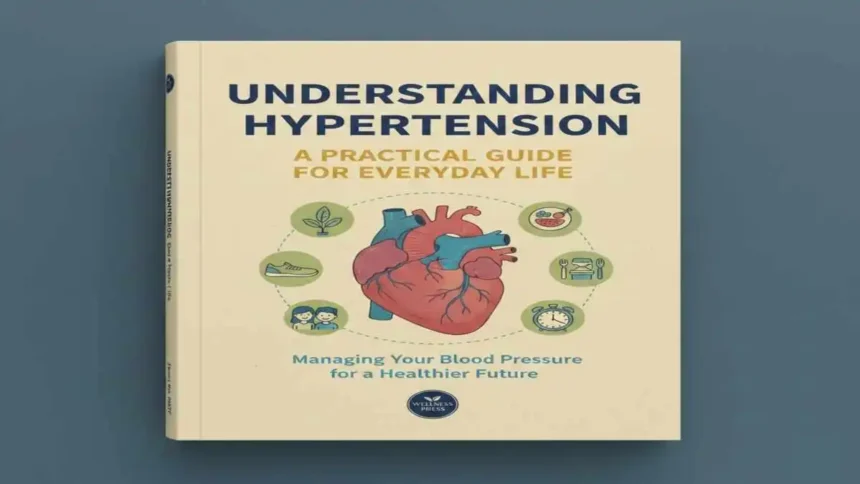
High blood pressure, also known as hypertension, affects millions of people worldwide and is often called the “silent killer.” This nickname exists for a reason—hypertension usually has no obvious symptoms, yet it can quietly damage your body over time. Understanding what hypertension is and how it fits into everyday life is the first step toward managing it effectively and protecting your long-term health.
What Is Hypertension?
Hypertension occurs when the force of blood pushing against your artery walls is consistently too high. Blood pressure readings are measured using two numbers: systolic (the pressure when your heart beats) and diastolic (the pressure when your heart rests between beats). A normal reading is typically around 120/80 mmHg. When readings consistently rise above this range, especially over 130/80 mmHg, hypertension may be diagnosed.
While occasional spikes can happen due to stress or physical activity, chronic high blood pressure puts strain on your heart and blood vessels. Over time, this strain increases the risk of serious health problems such as heart disease, stroke, kidney damage, and vision loss.
Why High Blood Pressure Matters
Because hypertension often develops without noticeable symptoms, many people are unaware they have it. Unfortunately, untreated high blood pressure can slowly damage vital organs. The heart must work harder to pump blood, which can lead to heart enlargement or failure. Blood vessels may become less flexible, raising the risk of blockages that can cause heart attacks or strokes.
The good news is that hypertension is manageable. With the right lifestyle choices, medical guidance, and consistent monitoring, many people successfully control their blood pressure and live full, active lives.
Common Causes and Risk Factors
Several factors contribute to the development of hypertension. Some, such as age and genetics, are beyond your control. Others are linked to everyday habits and can be improved with conscious effort. Common risk factors include:
- High sodium (salt) intake
- Lack of physical activity
- Excess body weight
- Chronic stress
- Smoking and excessive alcohol consumption
- Poor sleep quality
Understanding your personal risk factors allows you to focus on changes that will have the greatest impact on your health.
Everyday Habits That Help Manage Hypertension
Managing high blood pressure doesn’t require extreme measures. Small, consistent changes often make the biggest difference.
Eat a balanced diet: Focus on fruits, vegetables, whole grains, lean proteins, and healthy fats. Reducing processed foods can significantly lower sodium intake, which helps control blood pressure.
Stay active: Aim for at least 30 minutes of moderate physical activity most days of the week. Walking, cycling, swimming, or even gardening can improve heart health and circulation.
Manage stress: Chronic stress can contribute to elevated blood pressure. Techniques such as deep breathing, meditation, journaling, or simply taking time to relax can be surprisingly effective.
Maintain a healthy weight: Even modest weight loss can lead to noticeable improvements in blood pressure. In some care plans, medical weight management options such as Wegovy in Salt Lake City may be discussed with healthcare providers as part of a broader, supervised approach.
Limit alcohol and avoid smoking: Reducing alcohol intake and quitting smoking can quickly improve blood pressure and overall cardiovascular health.
The Importance of Monitoring and Medical Care
Regular blood pressure checks are essential, especially if you have risk factors or a family history of hypertension. Home blood pressure monitors make it easy to track readings and share accurate data with your healthcare provider.
For some people, lifestyle changes alone may not be enough. In these cases, medications can help control blood pressure and reduce the risk of complications. Always follow your provider’s guidance and take medications as prescribed.
Living Well with Hypertension
A hypertension diagnosis is not a life sentence—it’s a call to action. By understanding your condition and making practical adjustments to your daily routine, you can take control of your health. Consistency, awareness, and proactive care are key. When managed properly, high blood pressure doesn’t have to limit your life. With informed choices and ongoing support, you can protect your heart, improve your energy, and enjoy a healthier future—one day at a time.