


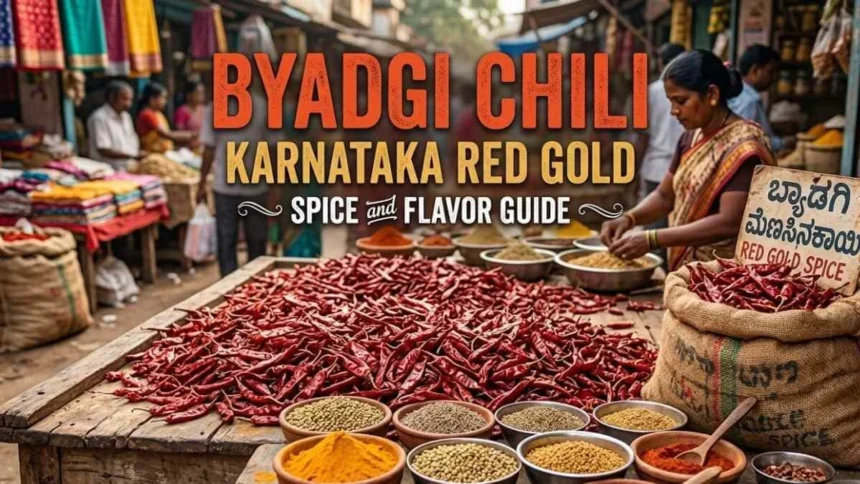
Byadgi chili is a popular variety of red chili pepper grown primarily in Byadgi, Haveri district. Known for its deep red color, mild heat, and rich aroma, this chili variety is widely used in Indian cuisine and spice processing. Often called Karnataka’s Red Gold, Byadgi chili is valued for enhancing color and flavor without making dishes overly spicy. Because of its unique qualities, the spice has gained recognition among chefs, food manufacturers, and global spice traders.
Byadgi chili is also an important agricultural product in Karnataka. Farmers cultivate it using traditional methods passed down through generations. The chili’s bright appearance and aromatic flavor make it a popular ingredient in spice blends, oils, and food coloring. Today, Byadgi chili represents both cultural heritage and economic value in the global spice market.
Origin and Historical Background
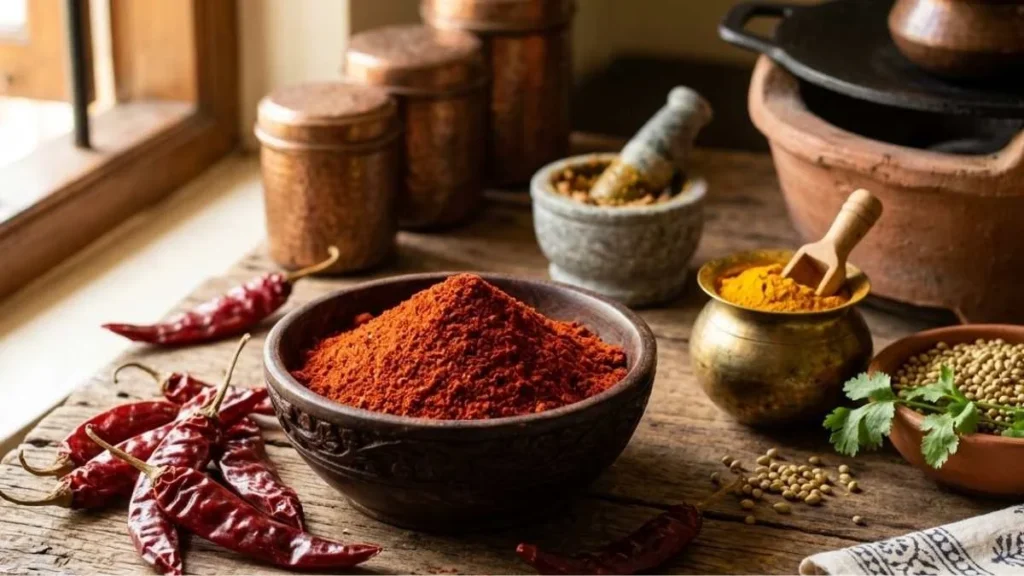
The story of Byadgi chili begins in the agricultural town of Byadgi. Over the decades, farmers in this region discovered that the local soil and climate were ideal for producing high-quality chili peppers. Warm temperatures, moderate rainfall, and nutrient-rich soil help the crop grow with strong color and aroma.
Traditional farming knowledge also plays a major role. Local growers carefully plant, harvest, and dry the peppers using methods developed through years of experience. These methods help maintain the bright red color that makes the chili highly desirable.
Key Characteristics That Make This Chili Unique
The popularity of Byadgi chili stems from several qualities that set it apart from many other chili varieties.
Color and Visual Appeal
One of the most noticeable features of Byadgi chili is its strong crimson color. This vibrant tone makes dishes look rich and appetizing. Food producers also extract natural coloring from the chili to create spice oils and sauces.
Mild Heat Level
Compared with extremely spicy peppers like Bhut Jolokia, this chili offers a gentle level of heat. Many cooks prefer it because it adds flavor without overwhelming the dish’s taste.
Distinctive Aroma
Another important feature is its pleasant aroma. When the dried chili is ground or heated in oil, it releases a smoky fragrance that enhances curries, gravies, and marinades.
Physical Appearance
The dried pepper usually has a long, wrinkled shape with thin skin. This texture helps experts identify authentic produce in markets.
Quick Overview of Key Features
| Feature | Description |
| Origin | Byadgi |
| Region | Haveri district |
| Color | Deep red |
| Heat Level | Mild to medium |
| Common Uses | Spice blends, chili powder, and food coloring |
| Recognition | Byadgi Chilli GI |
Cultivation and Farming Practices
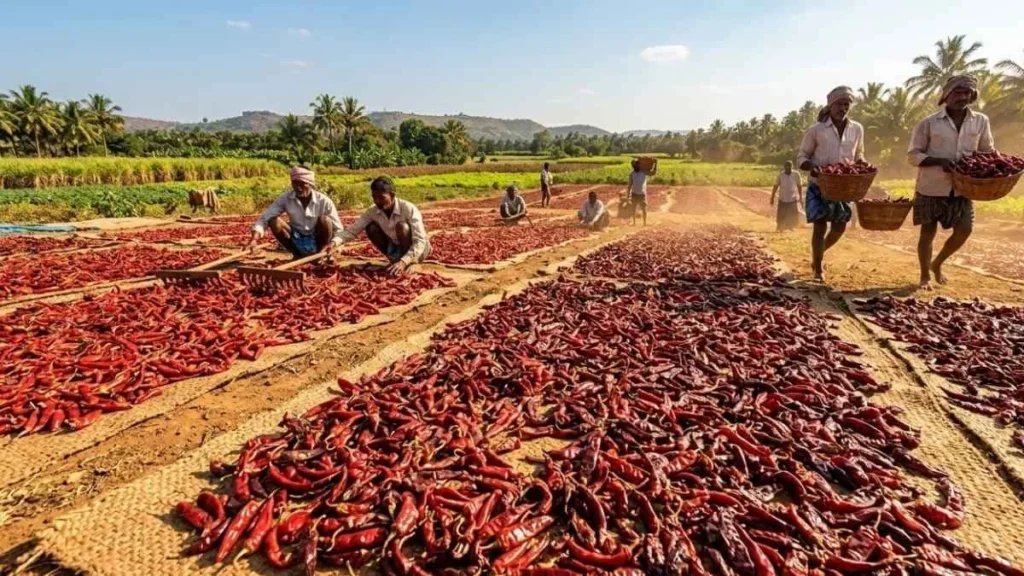
The cultivation of Byadgi chili plays a major role in Karnataka’s agriculture. Thousands of farmers depend on this crop for income, and the local markets are famous for large-scale chili trading.
Farmers usually plant the crop during favorable seasonal conditions when the soil retains enough moisture. The plants require regular sunlight and careful irrigation to maintain healthy growth. After the chilies mature and turn bright red, they are harvested by hand.
Drying is another crucial stage. Farmers spread the harvested chilies across open fields or rooftops to dry naturally in the sun. This process extends shelf life and preserves color intensity.
Culinary Uses in Different Foods
Common uses include
• Preparing chili powder for curries and gravies
• Making spice blends such as Garam Masala
• Flavoring oils and sauces
• Coloring processed foods naturally
Nutritional Value and Health Benefits
The red color comes from natural compounds called carotenoids. These compounds act as antioxidants, helping protect the body against oxidative stress. Antioxidants are important for maintaining overall wellness.
The chili also contains vitamins that support immunity and skin health. Vitamin A contributes to eye health, while vitamin C supports the immune system. In addition, moderate chili consumption may stimulate digestion and metabolism. Although this chili is milder than wide varieties, it still offers some of these benefits when included in balanced meals.
Challenges in Production
Despite its success, farmers sometimes face difficulties while growing Byadgi chili. Climate change, unpredictable rainfall, and pest outbreaks can reduce crop yields.
Market price fluctuations also affect farmer income. When supply increases too quickly, prices may drop in local markets.
To address these issues, agricultural experts promote the adoption of improved irrigation systems, pest management techniques, and farmer training programs. These efforts help ensure stable production and better profitability for growers.
FAQs
1. Is Byadgi chili suitable for making chili oil?
Yes, it is widely used to prepare chili oil because it adds strong color and mild heat.
2. How can you identify authentic Byadgi chili in markets?
Authentic peppers usually have a deep red color, wrinkled skin, and a mild spice level.
3. Can Byadgi chili powder be used in international cuisine?
Yes, many chefs use it globally to add natural color and balanced flavor to dishes.
Conclusion
Byadgi chili remains one of the most recognized agricultural products from Karnataka. Grown mainly in Byadgi within the Haveri district, it has earned the title Karnataka’s Red Gold because of its deep color, aromatic flavor, and strong market demand. These qualities make it valuable in both traditional cooking and modern food production.
As global interest in natural spices continues to grow, this chili will likely remain an essential ingredient in kitchens and the food industry worldwide. By supporting sustainable farming and protecting geographic identity, the legacy of this famous chili can continue for generations.