

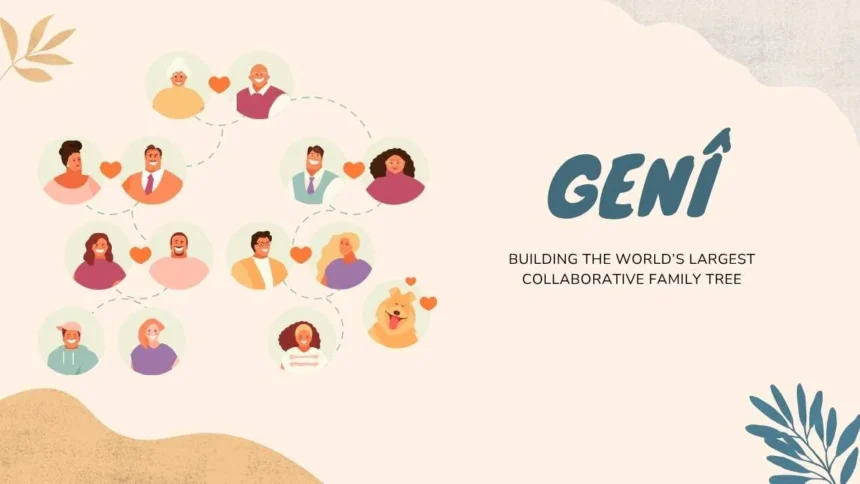
Genî, a genealogy website with an ambitious goal: creating a single, unified World Family Tree.
Unlike traditional genealogy services that encourage users to build separate family trees, Geni takes a collaborative approach. Every user contributes to one interconnected database, allowing family historians from around the world to work together and reduce duplicate research.
But how well does this model work in practice, and is Genî the right platform for your genealogy journey?
What Is Genî?
Genî is a crowd-sourced genealogy platform founded in 2007 by entrepreneur David Sacks. Based in West Hollywood, California, the company was created with a bold vision: to build one global family tree that connects humanity through shared ancestry.
Rather than maintaining isolated family trees, users collaborate on shared profiles. When duplicate ancestors are discovered, profiles can be merged, creating a more comprehensive and interconnected family network.
How it Works
At its core, Genî operates differently from many genealogy websites. Most genealogy platforms allow users to create independent trees. If ten people research the same ancestor, ten separate profiles may exist.
Genî takes another route. Users work on shared ancestor profiles, meaning information can be collectively improved over time. This collaborative structure helps reduce redundancy and encourages cooperation among distant relatives.
Key Features
Massive Collaborative Database
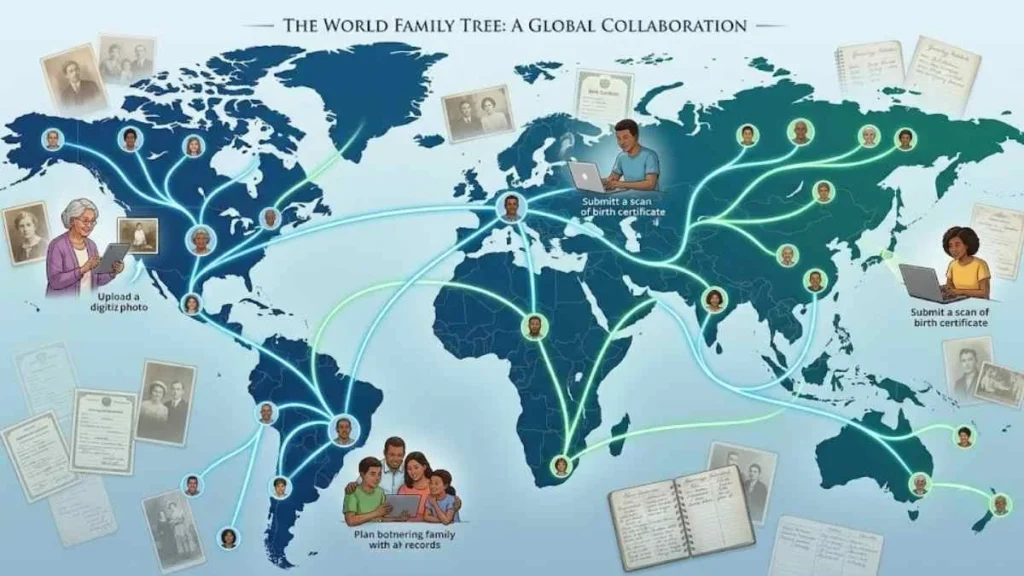
Geni’s biggest strength is its interconnected structure. Because users work together rather than separately, the platform can uncover connections that might otherwise remain hidden.
Researchers frequently benefit from information contributed by distant cousins, historians, and family members they’ve never met.
Historical Record Integration
Genî allows users to attach historical records, photographs, documents, and source citations to profiles. This helps support genealogical claims and improves research credibility.
Global Reach
Many genealogy websites are strongest within specific countries. Geni’s collaborative model naturally attracts international contributors, making it particularly useful for families with migration histories spanning multiple continents.
Family Collaboration
Family history often becomes more meaningful when shared. Genî enables relatives to contribute stories, photos, and corrections, creating a living family archive rather than a static database.
Benefits
Easier Discovery of Relatives
Because profiles are shared, users may discover relatives who have already researched portions of the family tree. This can save significant time and uncover information that might otherwise be difficult to find.
Reduced Duplicate Work
Genealogy research can be repetitive. Geni’s collaborative environment minimizes duplication by encouraging users to improve existing profiles rather than creating entirely new ones.
Strong Community Participation
Active contributors often help verify information, suggest corrections, and identify historical sources. This collective effort can improve the quality of research over time.
Ideal for Long-Term Projects
Family history research rarely ends. Geni’s evolving database allows family trees to grow continuously as new records and contributors emerge.
Potential Limitations to Consider
Collaboration is powerful, but it also means mistakes can spread if incorrect information is merged into shared profiles. Users should verify claims with reliable sources whenever possible.
Because multiple users may have editing rights on shared ancestors, disagreements occasionally occur regarding dates, relationships, or historical interpretations.
Those accustomed to private family tree platforms may need time to understand Geni’s collaborative structure, profile merges, and conflict resolution process.
Expert Tips for Getting Better Results
- Start With Verified Information: Begin by entering family members and ancestors you can confidently document. Birth certificates, census records, marriage records, and family documents provide a strong foundation.
- Cite Your Sources: One of the most common genealogy mistakes is relying solely on family stories.
- Review Merges Carefully: Never approve profile merges without examining the evidence. Incorrect merges can create confusion that may take considerable effort to resolve.
- Collaborate Respectfully: Genealogy often involves differing interpretations of historical records. Productive collaboration and respectful communication usually lead to more accurate outcomes.
- Cross-Check With Other Resources: Genî works best as part of a broader research strategy. Comparing findings with archives, local records, and other genealogy databases can improve reliability.
Who Should Use Geni?
Genî is particularly valuable for:
- Genealogy enthusiasts researching extended family lines
- Individuals interested in collaborative family history projects
- Researchers tracing international ancestry
- Families seeking a shared platform for preserving history
- Users curious about broader ancestral connections
Those who prefer complete control over a private family tree may find other genealogy services more aligned with their preferences.
Frequently Asked Questions
Is information on Genî reliable?
Reliability varies depending on sources and contributors. Users should verify information using historical records and documented evidence whenever possible.
Can multiple relatives work on the same family tree?
Yes. Collaboration is one of it defining features, allowing family members and researchers to contribute to shared profiles.
How is Genî different from traditional genealogy websites?
Most genealogy platforms maintain separate family trees for each user. Genî focuses on building one interconnected tree through profile sharing and merging.
Conclusion
Genî stands out in the genealogy world because of its collaborative philosophy. Rather than encouraging isolated family trees, it seeks to unite researchers around a shared vision of documenting human ancestry through a single interconnected database.
For many users, this approach unlocks discoveries that would be difficult to achieve alone. The platform’s ability to connect relatives, merge duplicate research, and foster global collaboration makes it a compelling choice for serious family historians.