

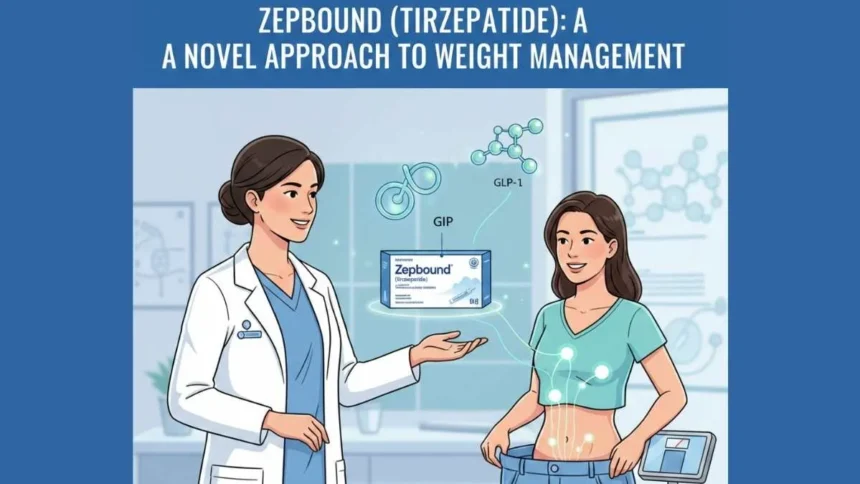
Zepbound (tirzepatide) is an FDA-approved, once-weekly injectable prescription medication designed for chronic weight management in adults with obesity or overweight. It is intended for use alongside a reduced-calorie diet and increased physical activity. Zepbound works by targeting key hormones in the body, helping individuals feel full sooner, reduce appetite, and achieve meaningful weight loss. This innovative therapy represents a new generation of hormone-based medications designed to support long-term weight management.
- How it Works: Dual Hormone Activation
- Clinical Effectiveness
- Who Can Use Zepbound?
- Administration and Dosing
- Benefits Beyond Weight Loss
- Side Effects and Safety Considerations
- Integrating Lifestyle Changes
- Comparison With Other Medications
- Long-Term Management Considerations
- Common Questions About Zepbound
- Conclusion
It mimics the action of GIP and GLP-1 hormones, which play a crucial role in regulating metabolism, energy balance, and satiety. Clinical trials demonstrate that adults using Zepbound alongside lifestyle modifications can experience significant reductions in body weight, improvements in metabolic health, and enhanced overall quality of life. This medication provides a scientifically validated option for adults struggling to manage weight through diet and exercise alone.
How it Works: Dual Hormone Activation
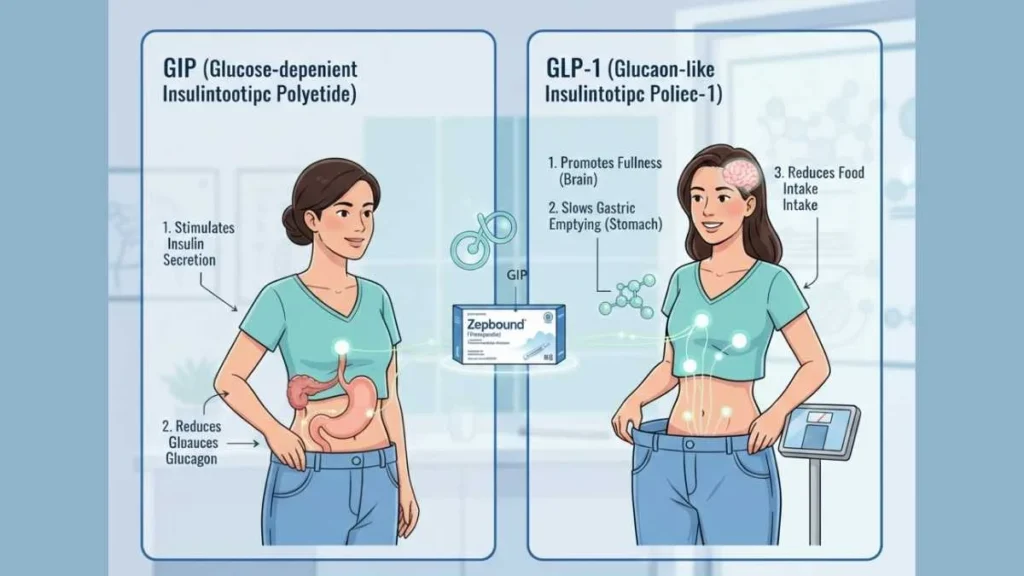
Zepbound is a dual GIP and GLP-1 receptor agonist, a breakthrough in obesity treatment. By activating both incretin hormones, it effectively reduces appetite, increases feelings of fullness after meals, slows gastric emptying, and improves blood sugar regulation in overweight adults.
GIP (Glucose-Dependent Insulinotropic Polypeptide) helps regulate insulin secretion after eating and contributes to fat metabolism. GLP-1 (Glucagon-Like Peptide-1) slows digestion, enhances insulin release, reduces glucagon, and promotes fullness. This dual-action mechanism differentiates it from other weight-loss medications that target only GLP-1, making it one of the most effective options for chronic weight management.
Clinical Effectiveness
Multiple clinical trials have highlighted its effectiveness for adults with obesity or overweight.
Key outcomes include:
- Average weight loss ranged from 15–20% of baseline body weight over several months
- A significant proportion of patients achieved ≥10%, ≥15%, and even ≥20% weight reduction
- Cardiometabolic markers improved, including blood glucose, cholesterol, and blood pressure
| Outcome | Percentage Improvement | Notes |
| Average body weight loss | 15–20% | Dependent on dosage and lifestyle adherence |
| ≥10% weight loss achieved | 70–80% of participants | Significant for chronic weight management |
| Blood glucose reduction | 10–15% | Supports type 2 diabetes management |
| Cholesterol improvement | 5–12% | Cardiometabolic benefit |
| Blood pressure reduction | 3–8% | Particularly relevant for overweight adults |
Who Can Use Zepbound?
It is recommended for adults who have a BMI ≥30 kg/m² (obesity) or a BMI ≥27 kg/m² (overweight) with at least one weight-related condition such as hypertension, dyslipidemia, or type 2 diabetes. Healthcare providers evaluate each patient individually to ensure safety, tolerability, and effectiveness. Zepbound is not intended for cosmetic purposes, but rather for medically supervised chronic weight management.
Administration and Dosing
It is injected once weekly using a prefilled pen. Patients must rotate injection sites (abdomen, thigh, or upper arm) and start at a lower dose to minimize gastrointestinal side effects. The dose is gradually increased as tolerated, and the weekly schedule should be consistent. Healthcare providers offer guidance on missed doses, timing, and dose adjustments.
Benefits Beyond Weight Loss
It offers benefits beyond reducing body weight.
Primary advantages include:
- Improved blood sugar regulation and insulin sensitivity
- Enhanced cholesterol and triglyceride levels
- Potential cardiovascular support due to improved metabolic markers
- Increased energy, better mobility, and improved mental well-being
These benefits show that Zepbound addresses not only weight reduction but also overall health and lifestyle improvements.
Side Effects and Safety Considerations
While it is generally well-tolerated, some side effects may occur.
Common effects:
- Nausea, vomiting, diarrhea, or constipation
- Decreased appetite
- Mild abdominal discomfort
Serious warnings:
Zepbound carries a boxed warning for potential thyroid C-cell tumors observed in animal studies. It is not recommended for individuals with medullary thyroid carcinoma or MEN 2 syndrome. Other risks include pancreatitis, gallbladder issues, and hypoglycemia, particularly when combined with other glucose-lowering medications. Patients should seek medical attention for severe abdominal pain, neck swelling, or difficulty swallowing.
Integrating Lifestyle Changes
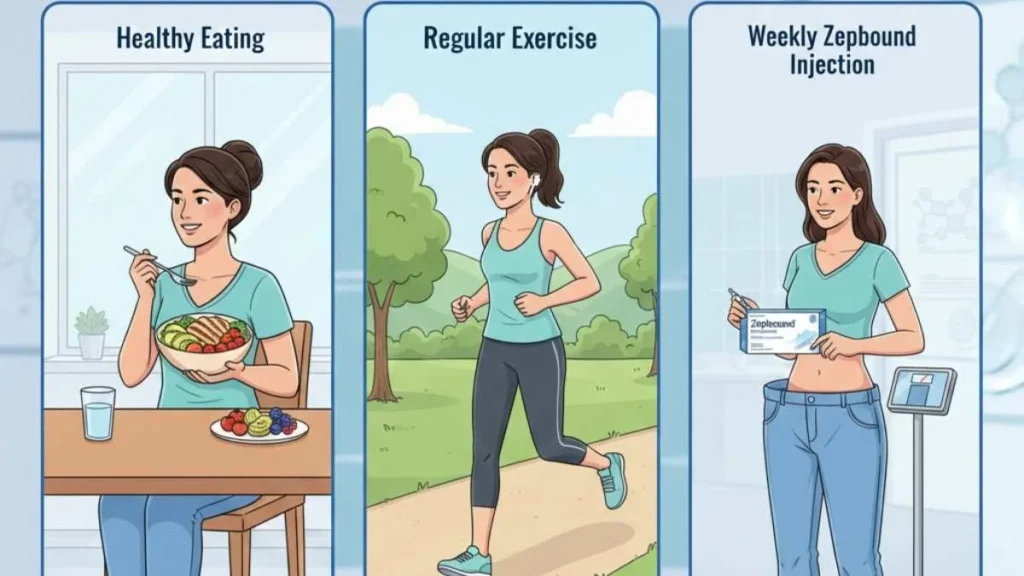
Zepbound works best when combined with diet and physical activity. Sustainable results require commitment to these lifestyle adjustments. Recommended strategies include reduced-calorie, nutrient-rich meals, regular aerobic and strength exercises, and behavioral support such as counseling or structured weight management programs.
Comparison With Other Medications
Unlike medications targeting only GLP-1, Zepbound’s dual GIP and GLP-1 receptor activation provides greater average weight loss, improved satiety and appetite control, and enhanced metabolic health outcomes. Medication choice should be personalized based on individual health history, tolerability, insurance coverage, and physician recommendation.
Long-Term Management Considerations
Obesity is a chronic condition. Discontinuing medication may lead to weight regain. Long-term plans often include continued Zepbound therapy if effective, ongoing lifestyle modifications, regular monitoring of weight and health markers, and dosage adjustments as needed. Shared decision-making with healthcare providers ensures safe and effective long-term weight management.
Common Questions About Zepbound
Can Zepbound be used with other weight-loss medications?
It should only be combined with other weight-loss medications under a doctor’s supervision.
Are there age restrictions for Zepbound use?
It is FDA-approved for adults 18 years and older.
Does Zepbound affect nutrient absorption?
It may slightly delay nutrient absorption, but it does not cause malabsorption.
Conclusion
Zepbound (tirzepatide) is a revolutionary FDA-approved treatment for adults with obesity or overweight-related conditions. Mimicking GIP and GLP-1 hormones, it helps reduce appetite, increase fullness, and support meaningful weight loss when paired with a reduced-calorie diet and regular physical activity. Clinical studies confirm its effectiveness and highlight additional benefits such as improved metabolic health and enhanced quality of life.
This medication represents a new era in chronic weight management, providing adults with scientifically validated support to achieve sustainable health outcomes. Anyone considering it should consult a healthcare provider for a personalized evaluation, ensuring safe and effective use within a comprehensive weight management plan.