

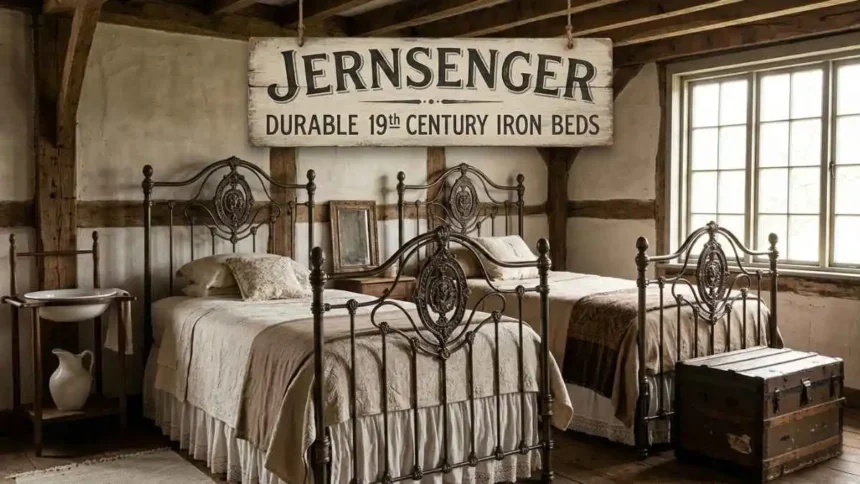
Jernsenger is the Norwegian term for iron beds, which became popular in 19th-century Scandinavia due to their durability and hygienic advantages over wooden beds. Designed to resist pests and wear, these metal frames offered a practical and long-lasting solution for households, hospitals, and boarding houses. While historically functional, Jernsenger also reflected evolving domestic standards and modern design sensibilities. Today, the term occasionally appears on digital platforms but retains its primary association with sturdy, practical, and historically significant Scandinavian iron beds.
The Historical Emergence of Jernsenger
Jernsenger, or iron beds, gained popularity in 19th-century Norway as a practical alternative to wooden beds, which were prone to pests and wear. Their durability, ease of cleaning, and hygienic design aligned with growing urbanization and public health awareness. Initially adopted in hospitals and boarding houses, iron beds eventually became common in private homes, symbolizing both modern domestic living and the Scandinavian emphasis on functional, long-lasting craftsmanship.
Why Iron Beds Became Popular
- Durability: Unlike wood, iron frames did not warp or splinter over time. This longevity made them a smart investment for families.
- Hygiene: Iron beds could be easily cleaned, reducing the risk of disease and pests, a critical advantage during an era when infectious diseases were common.
- Affordability: With the industrial revolution, iron production became more efficient, making iron beds accessible to the emerging middle class.
- Design Versatility: Although primarily functional, iron beds could also feature decorative elements like curved headboards and filigree patterns, blending durability with visual appeal.
Design Characteristics of Traditional Jernsenger
Classic Norwegian iron beds often feature simple yet elegant design elements. While the specific styles varied, common characteristics include:
- Metallic Frames: Typically made from wrought iron, these frames could be finished in black, white, or brass tones.
- Headboards and Footboards: Many iron beds included decorative headboards and footboards, ranging from minimalistic bars to intricate floral or geometric motifs.
- Support Structures: Unlike wooden slats, iron beds often incorporate metal springs or lattices to support the mattress, ensuring both comfort and durability.
The minimalist yet functional design of Jernsenger aligns with Scandinavian principles of combining.
Cultural and Historical Significance
Jernsenger symbolizes a pivotal shift in 19th-century Norwegian domestic life, reflecting the adoption of modern materials and hygienic practices. While primarily functional, these iron beds enhanced household durability and cleanliness, improving daily living standards. Despite their historical role, Jernsenger holds no broader cultural or symbolic meaning in Norwegian tradition, serving purely as practical furniture rather than objects of folklore, status, or ritual.
Jernsenger vs Modern Bed Frames
| Feature | Jernsenger (Iron Bed) | Modern Bed Frames |
| Durability | High, long-lasting | Varies (wood, MDF, metal) |
| Hygiene | Resistant to pests | Depends on materials |
| Weight | Heavy | Generally lighter |
| Aesthetic Appeal | Classic, vintage | Wide variety of styles |
Health and Hygiene Benefits
The historical popularity of iron beds is closely tied to health considerations. In the 19th century, Scandinavia faced outbreaks of diseases that thrived in unhygienic conditions. Wooden furniture, with its crevices and susceptibility to dampness, could harbor bacteria and pests. By contrast, iron beds offered:
- Ease of Cleaning: Smooth metal surfaces could be wiped down regularly without damage.
- Pest Resistance: Bedbugs, lice, and other parasites struggled to find refuge in iron frames.
- Allergen Reduction: Metal frames minimized dust accumulation compared to carved wooden beds, reducing potential allergens in the home.
These advantages helped iron beds gain widespread acceptance among health-conscious families and institutions, such as hospitals and boarding schools.
Collectibility and Modern Adaptations
Antique Jernsenger is highly valued for its craftsmanship, historical authenticity, and decorative appeal. Collectors and interior designers prize these iron beds for their intricate metalwork and connection to 19th-century Norwegian life. Modern adaptations often incorporate elements like minimalist metal frames or vintage-inspired scrollwork, blending classic durability with contemporary aesthetics. This fusion allows Jernsenger to remain relevant, both as collectible antiques and as design inspirations in today’s stylish interiors.
Challenges and Considerations
While Jernsenger is practical, there are a few considerations for modern homeowners:
- Weight: Iron beds can be heavy and challenging to move.
- Temperature: Metal can feel cold, which may require additional bedding or mattress pads for comfort.
- Rust Potential: Though modern finishes mitigate this risk, prolonged exposure to moisture can cause corrosion.
Final Thoughts
Jernsenger remains a testament to Scandinavian ingenuity, combining practicality, durability, and timeless design. Beyond their historical role, they continue to inspire modern interiors and collectors who appreciate their craftsmanship and longevity. While the term may appear in digital contexts today, its true value lies in the enduring legacy of functional innovation. These iron beds reflect how thoughtful design can bridge history, utility, and aesthetic appeal for generations.