

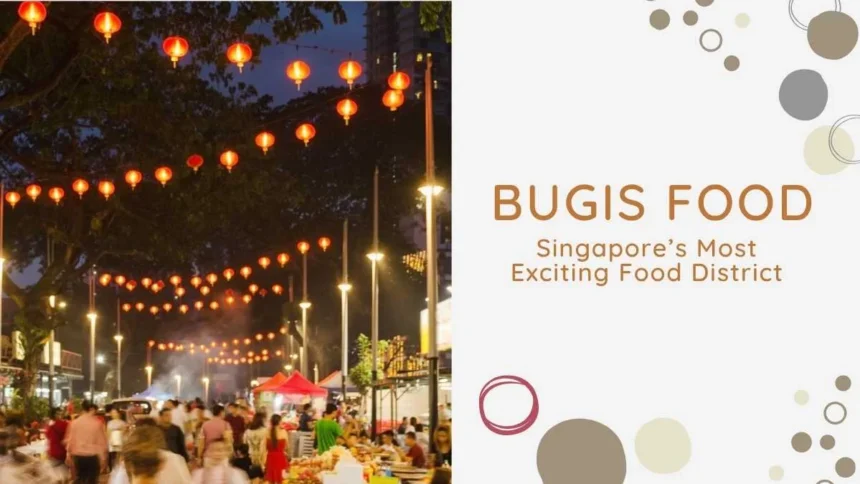
Bugis food is a fascinating blend of old and new. Historic shophouses sit alongside modern shopping malls, while traditional hawker stalls share streets with specialty coffee shops, Korean eateries, Japanese restaurants, and dessert boutiques. The result is a food scene that reflects Singapore itself, multicultural, dynamic, and constantly evolving.
Whether you’re visiting for a few hours or planning an entire food-focused day, Bugis delivers a remarkable variety of flavors within walking distance.
What Makes Bugis Food Unique?
Unlike districts that focus heavily on a single cuisine, Bugis food offers a mix of culinary traditions shaped by Singapore’s diverse communities. Within a short stroll, you can find:
- Traditional Malay and Indonesian dishes
- Chinese hawker classics
- Indian street food
- Japanese ramen and sushi
- Korean barbecue and fried chicken
- Modern fusion cafés
- Artisan desserts and specialty drinks
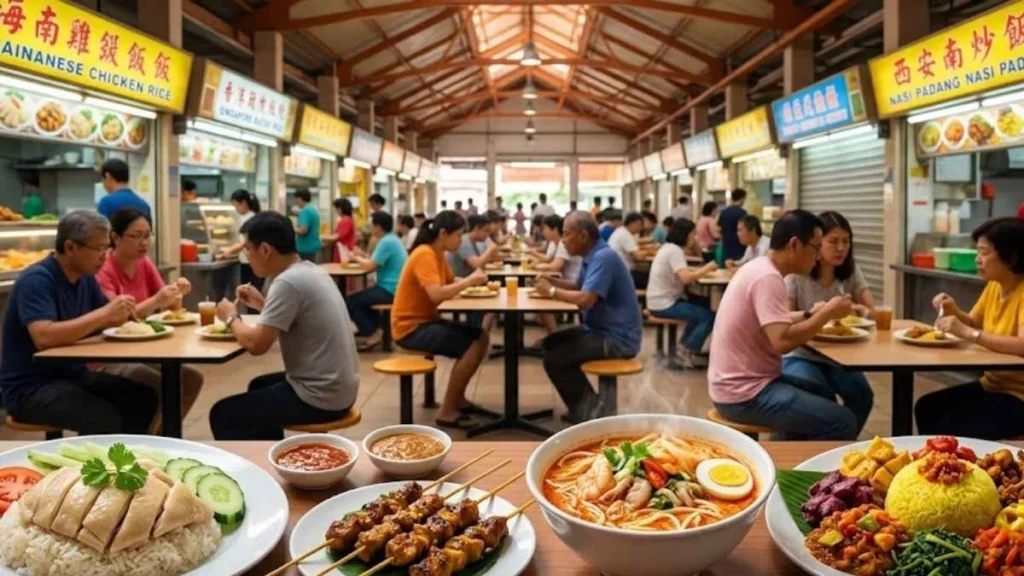
This concentration of options makes Bugis one of Singapore’s most versatile dining destinations. It’s equally appealing to budget-conscious travelers seeking authentic local food and food enthusiasts looking for contemporary dining experiences.
Must-Try Local Foods in Bugis
Hainanese Chicken Rice
Few dishes represent Singapore as well as chicken rice. In Bugis, you’ll find versions ranging from affordable hawker servings to restaurant-quality presentations.
The appeal lies in its simplicity: tender poached chicken, fragrant rice cooked in chicken stock, chili sauce, and ginger paste. A well-executed plate demonstrates why this dish remains a national favorite.
Satay
As evening approaches, satay becomes one of the area’s most popular snacks.
Skewers of marinated chicken, beef, or lamb are grilled over charcoal and served with peanut sauce, cucumber, and rice cakes. The smoky aroma alone is enough to draw crowds.
Nasi Padang
Bugis has strong Malay cultural influences, making nasi padang a must-try experience.
Customers select from a display of prepared dishes that may include:
- Rendang
- Sambal seafood
- Grilled chicken
- Curried vegetables
- Fried fish
The variety allows diners to customize every meal according to their tastes.
Laksa
Laksa combines rich coconut broth, seafood, noodles, and spices into a dish that’s comforting yet complex.
Singapore’s version balances creamy textures with subtle heat, creating one of the country’s most iconic noodle dishes.
Exploring Bugis Food Hawker Culture
No Bugis food experience is complete without visiting a hawker centre.
Hawker culture is deeply woven into Singaporean life. These food courts bring together independent vendors specializing in specific dishes, often refined through decades of practice. One practical tip is to visit outside peak lunch hours. You’ll encounter shorter queues and have more time to explore different stalls.
Best Desserts to Try in Bugis
A food tour of Bugis shouldn’t end without dessert.
Ice Kacang
This traditional treat combines shaved ice with colorful syrups, sweet corn, red beans, grass jelly, and other toppings.
It’s particularly refreshing in Singapore’s tropical climate.
Chendol
Made with coconut milk, palm sugar syrup, shaved ice, and green rice-flour jelly, chendol offers a perfect balance of sweetness and richness.
Modern Dessert Cafés
Bugis has embraced contemporary dessert trends as well.
You’ll find:
- Japanese soufflé pancakes
- Matcha desserts
- Cheesecake specialties
- Gelato shops
- Bubble tea concepts
The contrast between traditional desserts and modern creations reflects Bugis’ broader culinary identity.
Tips for Eating Your Way Through Bugis
The biggest mistake visitors make is eating too much at their first stop. Bugis rewards exploration, so pace yourself. Try a local hawker breakfast, enjoy a café lunch, and finish with international cuisine or dessert in the evening.
One advantage of Bugis is its walkability. Exploring on foot helps you discover hidden eateries and work up an appetite for the next stop. Long queues often indicate quality, but not always. Look for stalls with a strong local customer base rather than purely tourist traffic.
Why Food Lovers Keep Returning to Bugis
Many food districts excel in one category. Bugis succeeds because it offers nearly everything.
You can enjoy a traditional Malay meal for lunch, sip specialty coffee in the afternoon, sample Japanese ramen for dinner, and finish with a Singaporean dessert, all within the same neighborhood.
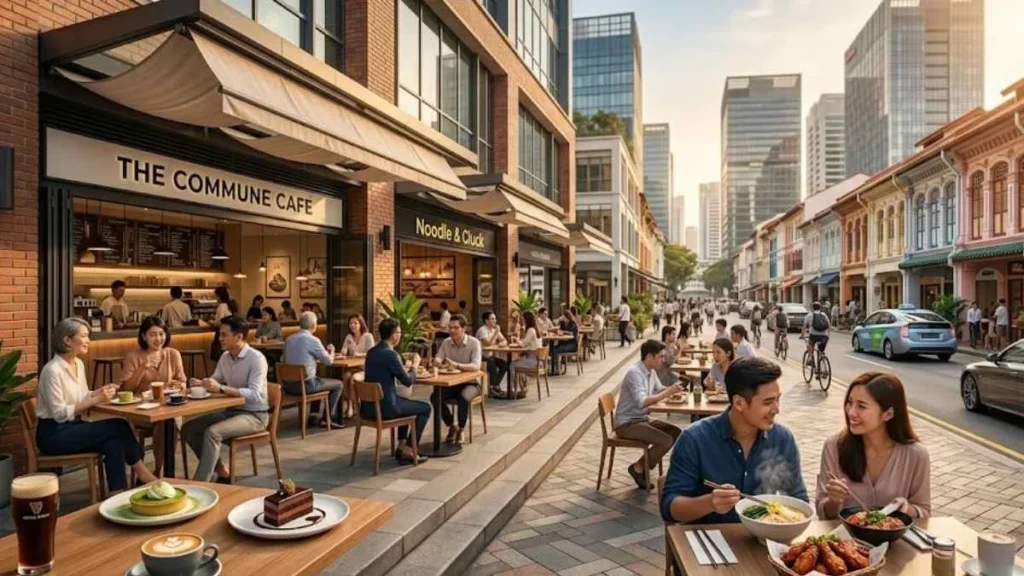
That diversity creates a dining experience that feels both authentic and contemporary, making Bugis one of Singapore’s most rewarding destinations for curious eaters.
Frequently Asked Questions
What is the most famous Bugis food?
Popular choices include Hainanese chicken rice, satay, nasi padang, laksa, and various local desserts such as chendol and ice kacang.
Is Bugis food expensive?
Not necessarily. Visitors can find budget-friendly hawker meals as well as upscale restaurants, making Bugis suitable for nearly every budget.
How much time should I spend exploring Bugis food?
Food enthusiasts can easily spend half a day or even a full day exploring the area’s wide range of dining options.
Conclusion
Bugis stands out as one of Singapore’s most exciting food destinations because it captures the city’s multicultural identity in a single neighborhood. From traditional hawker classics and Malay specialties to trendy cafés and global cuisines, the district offers a culinary journey that appeals to every type of traveler.
Rather than focusing on one signature dish, Bugis food succeeds through variety. Every street presents new flavors, every meal offers a different cultural influence, and every visit reveals another hidden gem. For anyone seeking a genuine taste of Singapore’s food culture, Bugis remains one of the most rewarding places to start.