


ZabaSearch simplify process of finding someone online by gathering publicly available information into a searchable database. Whether you’re trying to reconnect with an old friend, verify a contact’s identity, or locate a long-lost family member, ZabaSearch is often one of the first tools people encounter. Yet many users are surprised by how much information appears when they search a name, or by the fact that their own information may be listed.
Understanding how the platform works, where its data comes from, and its limitations is essential before relying on the results.
What Is ZabaSearch?
ZabaSearch is an online people-search service focused on publicly available information within the United States. The platform allows users to search individuals using details such as:
- Full name
- City and state
- Phone number
- Address information
Search results may include:
- Approximate age
- Current address
- Previous addresses
- Associated phone numbers
- Possible relatives or connected individuals

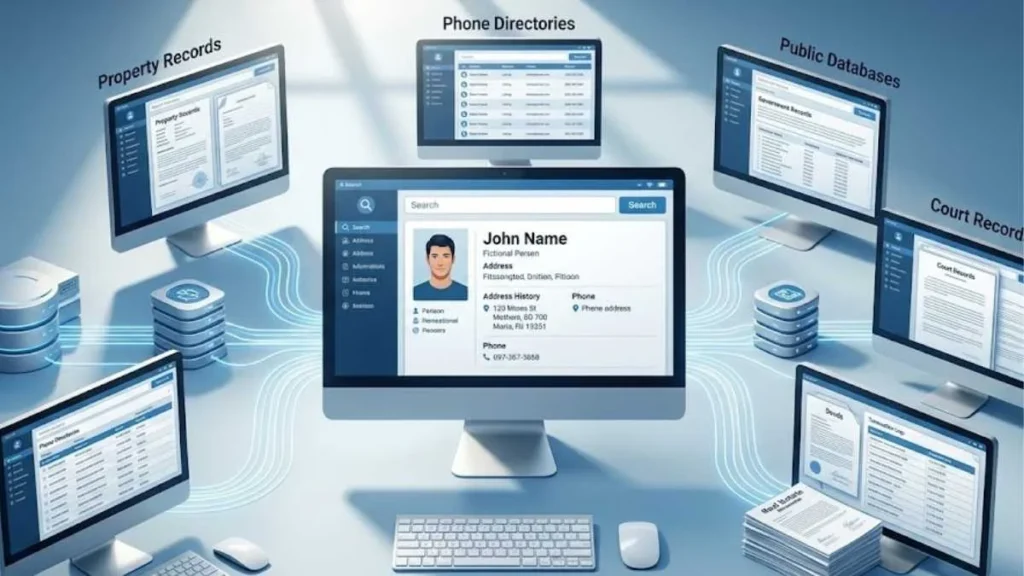
Unlike private investigative databases, ZabaSearch primarily aggregates information already available through public records and legally accessible sources. The service acts more as a centralized directory than a comprehensive background-check provider.
How Does ZabaSearch Collect Information?
Many users assume people-search sites somehow “discover” personal information. In reality, platforms like ZabaSearch typically aggregate data from sources that are already public.
Common data sources include:
Public Records
Government agencies often maintain records that can be legally accessed by the public, including:
- Property ownership records
- Voter registration records (where legally available)
- Court records
- Business registrations
Telephone Directories
Traditional landline listings and directory databases continue to serve as valuable sources for contact information.
Real Estate Databases
Property transactions frequently become part of public records, allowing ownership and address histories to be linked to individuals.
Commercial Data Providers
Many people-search services supplement public records with information obtained from data brokers and partner databases.
The result is a searchable profile that combines information from multiple sources into a single view.
What Can ZabaSearch Be Used For?
While people-search websites sometimes attract controversy, there are several legitimate and practical use cases.
Reconnecting With Lost Contacts
One of the most common reasons people use ZabaSearch is to locate:
- Former classmates
- Childhood friends
- Extended family members
- Past coworkers
A current or previous address can often provide the missing clue needed to re-establish contact.
Identity Verification
Suppose you receive a phone call from someone claiming to be an old acquaintance. Searching their name or phone number may help determine whether the information aligns with what they claim.
Confirming Contact Information
Businesses, landlords, and individuals sometimes use people-search platforms to verify whether contact details appear legitimate before initiating communication.
Genealogy and Family Research
Although dedicated genealogy websites offer deeper historical records, ZabaSearch can occasionally help researchers connect modern family members and descendants.
How Accurate Is ZabaSearch?
Individuals with common names can sometimes become associated with records belonging to another person. Not every public record is available digitally, and some states have stricter privacy rules than others.
When information is gathered from multiple databases, inconsistencies occasionally occur. For this reason, ZabaSearch should generally be viewed as a starting point for research rather than a definitive source of truth.
Privacy Concerns and Public Awareness
Many people discover ZabaSearch only after finding their own information online. This raises an important question: how is personal information appearing publicly in the first place?
The answer often lies in public-record laws and data-sharing practices that have existed for decades. The internet simply makes access easier.
While the information is generally derived from legal public sources, many users feel uncomfortable seeing personal details displayed in a searchable format. As awareness grows, privacy management has become a significant topic surrounding people-search websites.
Can You Remove Your Information?
Many people-search services provide opt-out procedures that allow individuals to request removal of their records. Users should understand that removing information from one people-search site does not automatically remove it from others.
Because multiple companies collect data from similar sources, privacy-conscious individuals often need to manage records across several platforms.
ZabaSearch vs. Background Check Services
There is an important distinction.
| ZabaSearch | Full Background Check Services |
| Public information lookup | Deeper investigative reports |
| Basic contact details | Criminal history searches |
| Address history | Employment verification |
| Quick searches | Comprehensive screening reports |
| Often free to start | Usually paid services |
For casual searches, ZabaSearch may provide enough information. For employment screening, tenant evaluation, or legal purposes, specialized services are typically required.
Alternatives to ZabaSearch
People looking for similar tools often explore other public-record search platforms. Popular alternatives include:
- Whitepages
- Spokeo
- BeenVerified
- TruePeopleSearch
- PeopleFinders
Frequently Asked Questions
Is using ZabaSearch legal?
Yes. Accessing publicly available information through a legitimate people-search website is generally legal in the United States.
Does ZabaSearch show criminal records?
Not typically in the way dedicated background-check providers do. Users seeking detailed criminal history information usually need specialized services.
Why is my information on ZabaSearch?
The platform collects information from public records and legally accessible databases. Your details may appear if they exist in those sources.
Final Thoughts
ZabaSearch occupies a unique space between public-record access and modern online search convenience. By aggregating information from numerous public sources, it allows users to locate people, verify contact details, and reconnect with individuals who might otherwise be difficult to find.
At the same time, the platform highlights ongoing conversations about digital privacy, data aggregation, and personal information visibility. Users should approach results with realistic expectations, recognizing that records may be incomplete, outdated, or occasionally inaccurate.