


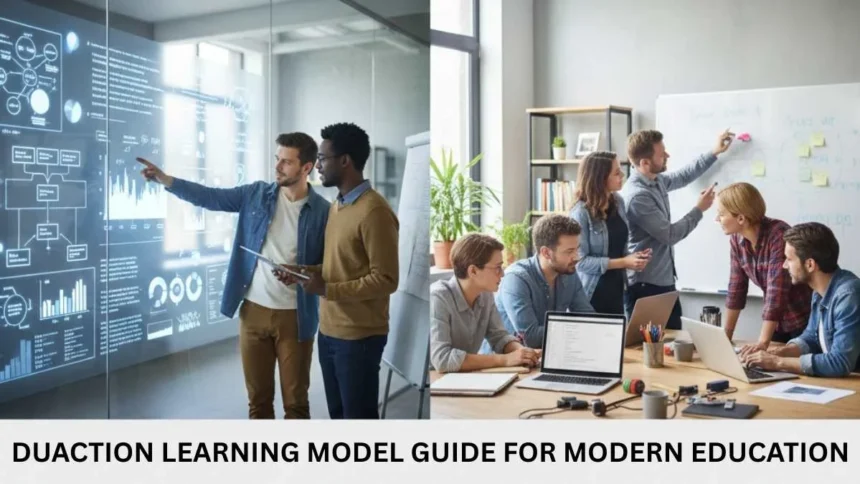
The Duaction learning model is an educational approach that combines theoretical knowledge with practical application simultaneously. Instead of separating learning and doing into different stages, this model allows learners to understand concepts while actively applying them in real-world or simulated environments. It focuses on hands-on experience, problem-solving, and immediate implementation to ensure deeper understanding and better retention.
- The Core Idea Behind Integrated Learning
- Key Principles That Drive This Approach
- Comparison With Traditional Learning Methods
- Benefits for Learners and Organizations
- Practical Use in Education Systems
- Application in Professional and Corporate Training
- Structured Comparison Table of Duaction
- Challenges and Implementation Considerations
- Why This Approach Matters in a Global Context
- FAQs
- Conclusion
Duaction emphasizes active participation, reflection, and continuous improvement rather than passive listening or memorization. By applying concepts immediately, learners gain confidence, build practical skills, and develop the ability to apply knowledge to real-world situations. As education and workplaces evolve globally, Duaction is increasingly valued for preparing learners with job-ready and future-proof skills.
The Core Idea Behind Integrated Learning
Modern education demands more than just theoretical understanding. Learners need to know how to apply what they learn in practical settings. This integrated learning philosophy ensures that concepts are not stored only in memory but are actively tested and refined through action.
Instead of long lectures followed by delayed practice, learners engage with real tasks early in the process. This helps reduce confusion, increase clarity, and strengthen learning outcomes. It also aligns closely with how people naturally learn skills in everyday life.
Key Principles That Drive This Approach
This learning framework is built on a few essential principles that support meaningful and lasting education.
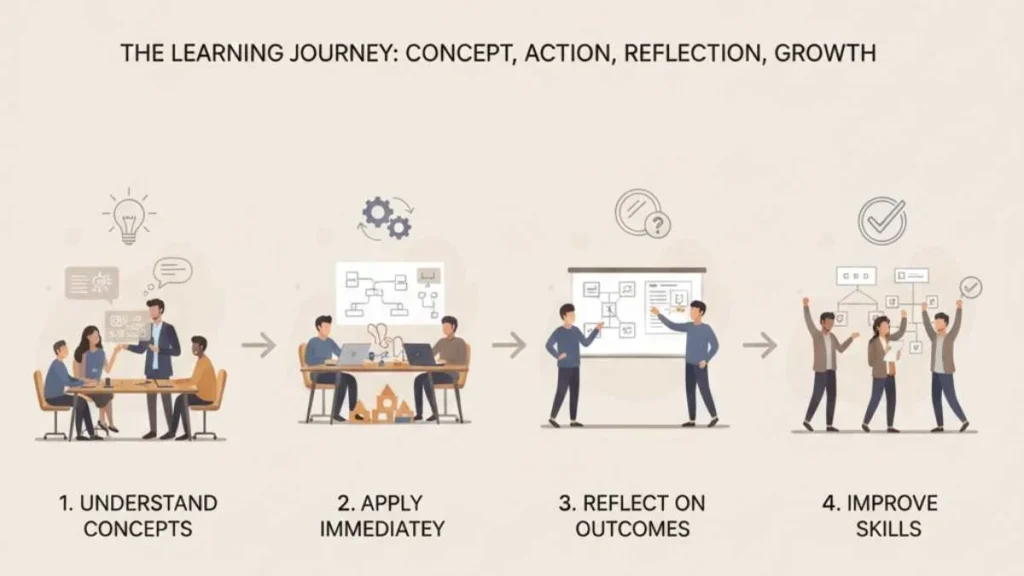
Learning Through Action
Learners perform tasks, experiments, or projects alongside learning concepts. This makes abstract ideas easier to understand and apply.
Immediate Knowledge Application
The gap between learning and practice is minimized. Concepts are reinforced instantly through real examples or scenarios.
Reflection and Improvement
After completing tasks, learners reflect on outcomes, identify gaps, and improve their approach.
Continuous Skill Development
Learning does not stop at completion. Skills are refined repeatedly through practice and feedback.
Comparison With Traditional Learning Methods
Conventional education often focuses heavily on lectures, reading materials, and exams. Practical exposure usually comes much later, which can lead to knowledge gaps and a lack of confidence.
In contrast, applied learning methods promote understanding through real usage. Learners see the relevance of what they are studying, which increases motivation and retention. This shift transforms education into an experience rather than a routine.
Benefits for Learners and Organizations
Duaction offers measurable advantages across education and professional environments.
- Improves long-term knowledge retention
- Builds real-world problem-solving skills
- Encourages critical and analytical thinking
- Increases learner engagement and motivation
- Reduces the gap between education and employment
Organizations also benefit from faster onboarding, better performance, and adaptable employees who can apply skills immediately.
Practical Use in Education Systems
Educational institutions worldwide are adopting applied and experiential methods of Duaction to prepare learners for real challenges.
Higher Education
Universities use project-based assignments, internships, labs, and case studies to connect theory with practice.
Technical and Vocational Training
Skill-focused programs rely heavily on hands-on learning to ensure learners master tools, processes, and techniques.
Online and Blended Learning
Digital platforms use simulations, interactive modules, and real projects to replicate real-world experiences.
Application in Professional and Corporate Training
Workplaces require employees who can learn and apply skills quickly. This approach of Duaction fits perfectly into professional development strategies.
Employee Skill Development
Employees learn new concepts while working on real tasks, reducing training time and improving productivity.
Leadership and Management Training
Managers apply leadership theories directly to real challenges, improving decision-making and communication skills.
Continuous Workforce Upskilling
As industries evolve, employees can apply new knowledge directly within their job roles.
Structured Comparison Table of Duaction
| Aspect | Traditional Learning | Applied Integrated Learning |
| Knowledge Delivery | Theory first | Theory and practice together |
| Learner Role | Passive | Active |
| Skill Application | Delayed | Immediate |
| Retention Rate | Moderate | High |
| Job Readiness | Limited | Strong |
Challenges and Implementation Considerations
While effective, this approach requires careful planning. Educators and trainers must design meaningful tasks aligned with learning goals. Skilled facilitators, feedback systems, and proper resources are essential for success.
Assessment methods may also need updating to measure practical competence alongside theoretical understanding. However, these challenges are manageable and often outweighed by long-term benefits.
Why This Approach Matters in a Global Context
Across regions and industries, employers seek adaptable individuals who can think critically and act confidently. Learning models that combine knowledge with action help meet these expectations.
From education systems to corporate environments, Duaction supports workforce readiness, innovation, and sustainable growth worldwide.

FAQs
Q1: Is Duaction suitable for online education?
Yes, Duaction works effectively through simulations, projects, and interactive tasks.
Q2: Can Duaction reduce skill gaps in workplaces?
Yes, it helps employees apply knowledge immediately, improving performance.
Q3: Does it support lifelong learning?
Absolutely, it promotes continuous improvement and adaptability.
Conclusion
The Duaction learning model represents a modern shift in how learning is designed and delivered. By combining theory and practice in real time, it transforms education into an active and meaningful process. Learners gain not only knowledge but also the ability to apply it effectively in real situations.
As global education and workplace demands continue to evolve, this model offers a reliable framework for developing practical skills, critical thinking, and continuous improvement. Its focus on real-world application makes it a powerful tool for learners, educators, and organizations seeking long-term success.