


The OtterSec lawsuit is a high-profile legal dispute involving the blockchain cybersecurity company OtterSec LLC and its co-founders. The case centers on claims that after the death of co-founder Sam Chen in 2022, the surviving co-founder, Robert Chen, improperly dissolved the company and redirected its assets into new firms under his control.
OtterSec’s lawsuit has drawn attention from the Web3, startup, and legal communities because it raises serious questions about fiduciary duty, corporate governance, digital asset ownership, and founder succession planning. Filed in 2023 by Li Fen Yao, the widow of Sam Chen, the case continues to evolve in federal court and related proceedings, shaping conversations around blockchain company disputes.
Background of OtterSec LLC
OtterSec lawsuit was established in 2022 as a blockchain security and smart contract auditing firm. The company focused on reviewing decentralized applications, identifying vulnerabilities in smart contracts, and protecting digital protocols from exploits.
The firm was co-founded by Robert Chen and Sam Chen. Structured as a limited liability company, it reportedly operated with shared ownership and participated in a rapidly expanding Web3 security market. During its early months, the company gained recognition for its technical audits and reportedly generated substantial revenue in a short period.
Timeline of Key Events
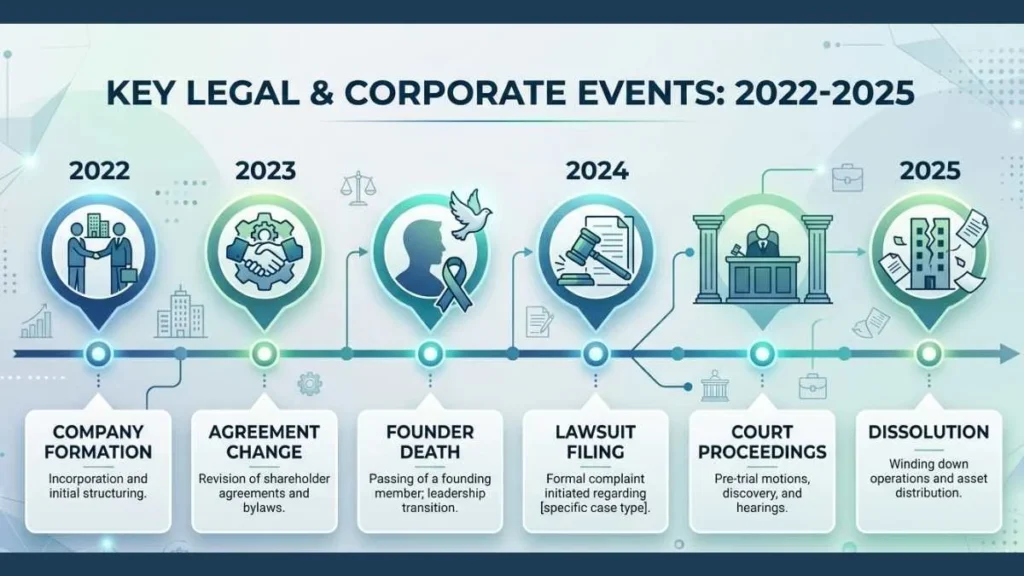
Understanding the sequence of events is essential to understanding the OtterSec lawsuit and its broader legal implications.
| Year | Event | Significance |
| Early 2022 | OtterSec LLC formed | Launch of blockchain security firm |
| April 2022 | Operating agreement reportedly modified | Ownership structure adjusted |
| July 2022 | Death of Sam Chen | Ownership succession issues arise |
| Sept 2022 | New entities formed by Robert Chen | Corporate restructuring begins |
| Sept 2022 | OtterSec dissolved | Core dispute triggered |
| March 2023 | Federal lawsuit filed | Formal legal battle begins |
| 2025 | Partial court rulings issued | Some claims dismissed, others continue |
Core Allegations in the Legal Dispute
The OtterSec lawsuit includes multiple legal claims filed in federal court. While litigation is ongoing, the complaint outlines several serious allegations.
Breach of fiduciary duty
The plaintiff argues that Robert Chen owed duties of loyalty and care to the company and to Sam Chen’s estate. The lawsuit claims these duties were violated during dissolution and asset transfers.
Improper dissolution
It is alleged that OtterSec was dissolved without fair treatment of the estate’s ownership interest.
Asset misappropriation
The complaint states that intellectual property, branding, client relationships, and digital assets were transferred to newly created entities.
Fraud and misrepresentation
The OtterSec lawsuit claims that material information about investors and restructuring plans may not have been transparently communicated.
Conversion and contract breach
The estate argues that contractual rights under the operating agreement were not honored.
These allegations remain subject to judicial review, and no final determination has resolved all claims.
Formation of New Entities
Shortly after Sam Chen’s death, Robert Chen formed two new companies, Otter Audits LLC and RC Security LLC. According to court filings, assets previously associated with OtterSec were transferred or licensed to these entities.
From a legal perspective, the key issue is whether the asset transfer followed lawful procedures under the operating agreement and applicable corporate law. The plaintiff contends that the restructuring effectively excluded the estate from fair participation in the company’s value.
Related Domain and Brand Disputes
Domain disputes typically examine:
- Confusing similarity to established brand names
- Evidence of commercial use and goodwill
- Registration intent and control
- Proper transfer procedures
In digital industries, a domain name can represent substantial intangible value. This makes domain-related disputes strategically important in corporate conflicts.
Why This Case Matters for Blockchain Security Firms
First, blockchain auditing firms handle sensitive security data. Clients rely on integrity and operational continuity. Legal battles can influence client perception and market confidence.
Second, early-stage companies often modify ownership agreements as they grow. Without strong documentation and succession planning, disputes can emerge during unforeseen events.
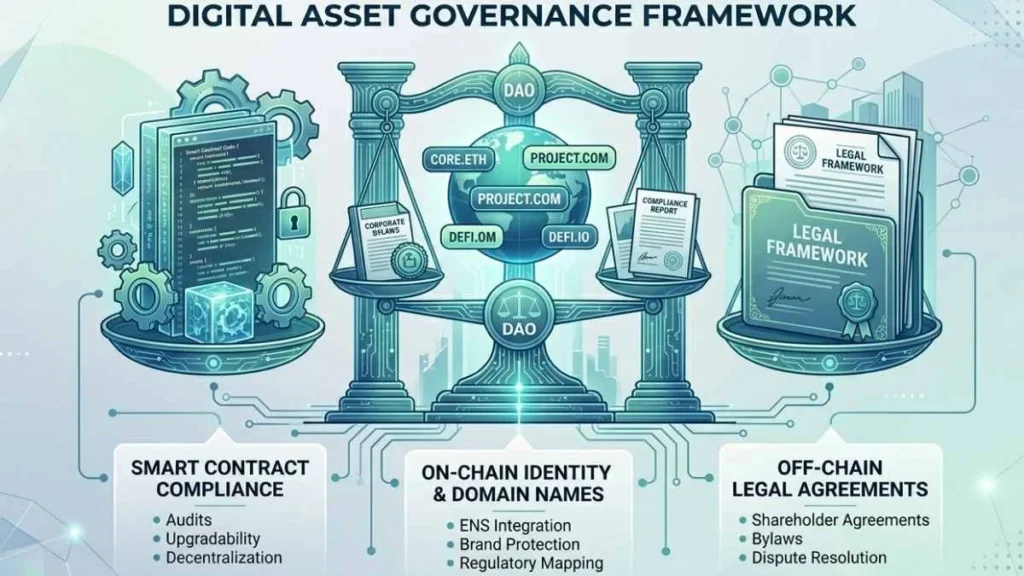
Third, Web3 companies frequently manage intangible assets such as smart contract code, audit methodologies, brand equity, and online communities. These assets require clear governance structures.
Broader Impact on Startup Governance
The OtterSec lawsuit illustrates how personal tragedy, evolving ownership structures, and asset control can intersect in high-growth environments.
Startups can reduce risk by implementing:
- Clear buy-sell clauses
- Mandatory mediation provisions
- Defined valuation formulas
- Estate succession protections
By proactively planning for unexpected events, founders can protect both business continuity and personal legacies.
FAQs
1. Can OtterSec lawsuit operating agreements override state default succession laws?
Yes, properly drafted operating agreements can modify default rules if legally compliant.
2. Are digital assets treated differently from physical assets in dissolution?
They may require specialized valuation methods, but are legally recognized property interests.
3. Does federal court jurisdiction affect OtterSec lawsuit governance disputes?
Yes, jurisdiction can influence procedural standards and applicable legal interpretations.
Conclusion
OtterSec lawsuit highlights the legal and governance challenges that can arise when leadership changes suddenly within a blockchain security company. The dispute centers on allegations of improper dissolution, asset transfer, and breach of fiduciary obligations following the death of a co-founder.
As the case progresses, it continues to influence discussions about startup succession planning, digital asset governance, and fiduciary standards in LLC structures. For founders, investors, and legal professionals, the matter serves as a powerful reminder that strong contracts and transparent procedures are essential in the evolving Web3 economy.