


An ecohome, sometimes called an eco-house or sustainable home, is a residence designed to minimize environmental impact throughout its lifecycle. Unlike conventional homes, which often prioritize short-term construction costs, it focuses on long-term efficiency, durability, and resource conservation.
As energy costs rise and climate concerns become more pressing, homeowners are increasingly seeking ways to reduce their environmental footprint while lowering long-term household expenses. An ecohome offers a practical solution by combining smart design, efficient technologies, and sustainable materials into a single integrated system.
Core Features of an Ecohome
Energy-Efficient Building Design
One of the biggest advantages of an ecohome begins before any technology is installed.
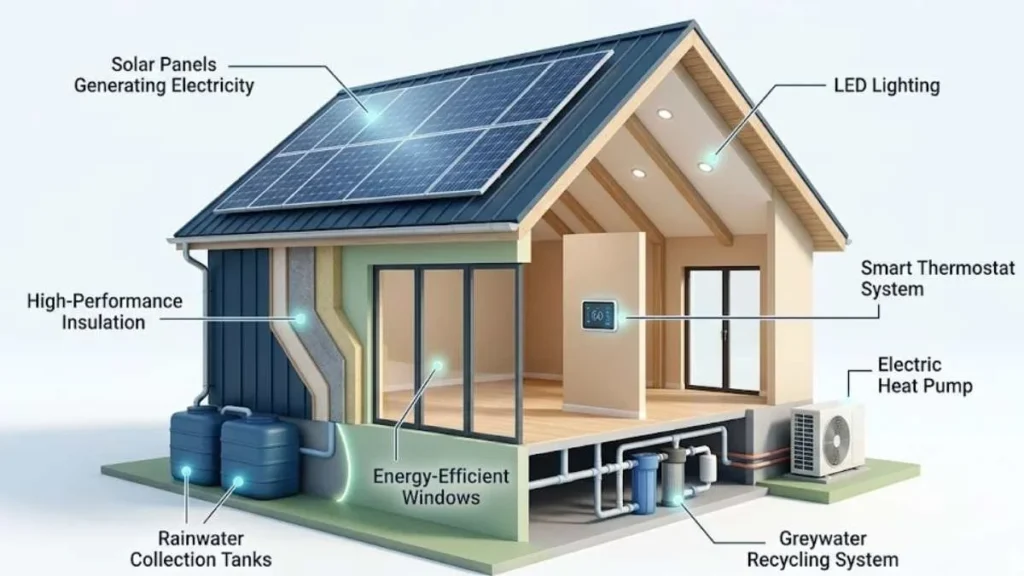
Smart orientation can maximize natural sunlight during winter while minimizing heat gain in summer. High-performance insulation, airtight construction, and quality windows reduce energy loss significantly.
For example, a properly insulated home may require substantially less heating and cooling than a poorly insulated property of the same size.
Renewable Energy Systems
Many ecohomes generate part or all of their electricity through renewable sources.
Common options include:
- Solar photovoltaic panels
- Solar water heating systems
- Small-scale wind turbines (where suitable)
- Battery storage systems
Solar energy remains the most widely adopted renewable technology because it can significantly offset household electricity consumption over time.
Sustainable Building Materials
Material selection has a major impact on a home’s environmental footprint.
Popular eco-friendly materials include:
- Reclaimed wood
- Recycled steel
- Bamboo flooring
- Recycled insulation products
- Low-carbon concrete alternatives
- Sustainably harvested timber
These materials often reduce resource extraction while extending the lifespan of building components.
Water Conservation Solutions
Water efficiency is another defining characteristic of ecohomes.
Common strategies include:
- Rainwater harvesting systems
- Low-flow faucets and showerheads
- Dual-flush toilets
- Drought-tolerant landscaping
- Greywater recycling systems
These measures can significantly reduce household water demand, especially in regions facing water scarcity.
Healthy Indoor Air Quality
Many traditional construction materials release volatile organic compounds (VOCs) that can affect indoor air quality.
It prioritizes:
- Low-VOC paints and finishes
- Natural ventilation
- Mechanical ventilation with heat recovery
- Non-toxic flooring materials
- Moisture control systems
The result is often a healthier living environment with fewer allergens and pollutants.
The Financial Benefits of an Ecohome
A common misconception is that ecohomes are only for wealthy homeowners. While some sustainable technologies require higher upfront investment, many provide measurable financial returns over time.
Key savings often come from:
Lower Utility Bills
Reduced energy and water consumption can significantly decrease monthly expenses.
For example:
- Better insulation lowers heating costs.
- Efficient appliances use less electricity.
- Water-saving fixtures reduce utility charges.
- Solar systems offset grid energy consumption.
Reduced Maintenance Costs
Many sustainable materials are chosen for durability rather than simply appearance.
Metal roofing, fiber-cement siding, and engineered timber products often require less maintenance and replacement over decades of use.
Increased Property Value
As sustainability becomes more important to buyers, energy-efficient homes frequently attract greater market interest.
Features such as solar panels, energy-efficient windows, and smart home energy management systems are increasingly viewed as valuable assets rather than optional upgrades.
Challenges and Considerations
Certain features, particularly renewable energy systems and premium insulation packages, may increase construction costs.
Poorly integrated systems can reduce efficiency and create unnecessary expenses. Working with experienced architects, builders, and energy consultants is often worthwhile. Effective ecohome design should always reflect local weather patterns, sunlight exposure, humidity levels, and available resources.
Practical Ways to Create an Ecohome
You don’t need to build a brand-new house to benefit from ecohome principles.
Start with high-impact improvements:
- Replace incandescent bulbs with LEDs.
- Install programmable thermostats.
- Install low-flow plumbing fixtures.
- Add attic and wall insulation.
- Upgrade HVAC equipment.
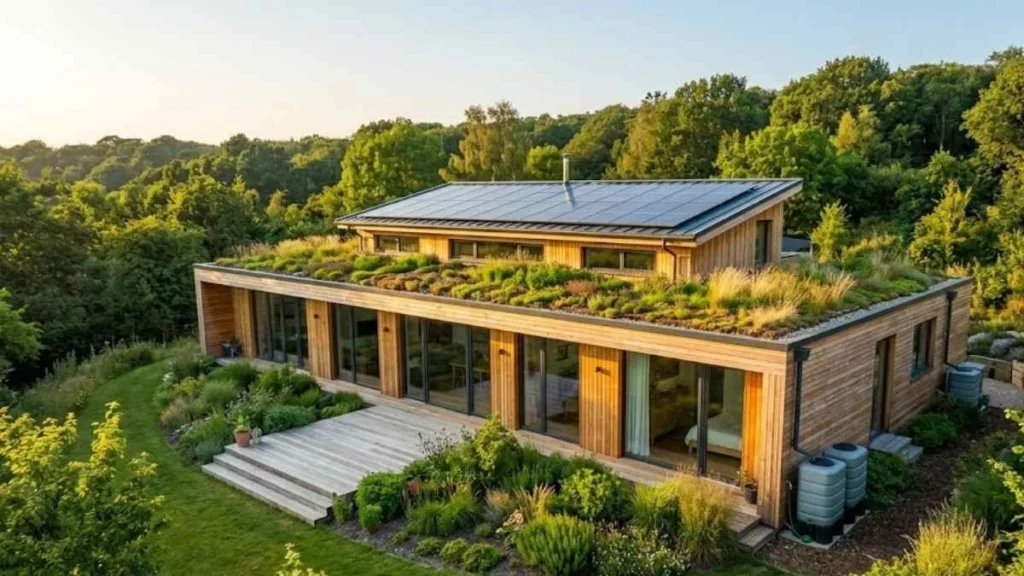
- Add rooftop solar panels.
Many homeowners achieve substantial environmental and financial benefits through gradual improvements rather than complete rebuilds.
The Future of Ecohomes
The next generation of ecohomes is becoming increasingly intelligent.
Emerging innovations include:
- AI-powered energy management
- Smart grids
- Advanced battery technology
- Net-zero energy homes
- Carbon-negative construction materials
- Integrated home automation systems
As technology advances and sustainable construction becomes more mainstream, ecohomes are likely to become the standard rather than the exception.
Frequently Asked Questions
How much energy can an ecohome save?
Savings vary based on climate, design, and technology choices. Well-designed ecohomes can reduce energy consumption dramatically compared to conventional homes.
Do ecohomes require special maintenance?
Not necessarily. Many sustainable systems are designed for durability and efficiency. Some technologies, such as solar panels and ventilation systems, require periodic inspection and maintenance.
What is a net-zero ecohome?
A net-zero home produces as much energy annually as it consumes, often through a combination of extreme efficiency and renewable energy generation.
Conclusion
Ecohomes represent a practical shift toward smarter, healthier, and more sustainable living. By combining efficient design, renewable energy, responsible material choices, and resource conservation, these homes reduce environmental impact while creating long-term financial value for homeowners.
The most successful ecohomes are not defined by a single technology or trend. Instead, they result from a holistic approach that considers how a home interacts with its environment, consumes resources, and supports the people who live inside it. Whether you’re planning a new build or upgrading an existing property, adopting ecohome principles can deliver benefits that extend far beyond lower utility bills, helping create a more resilient and sustainable future.